Product Details
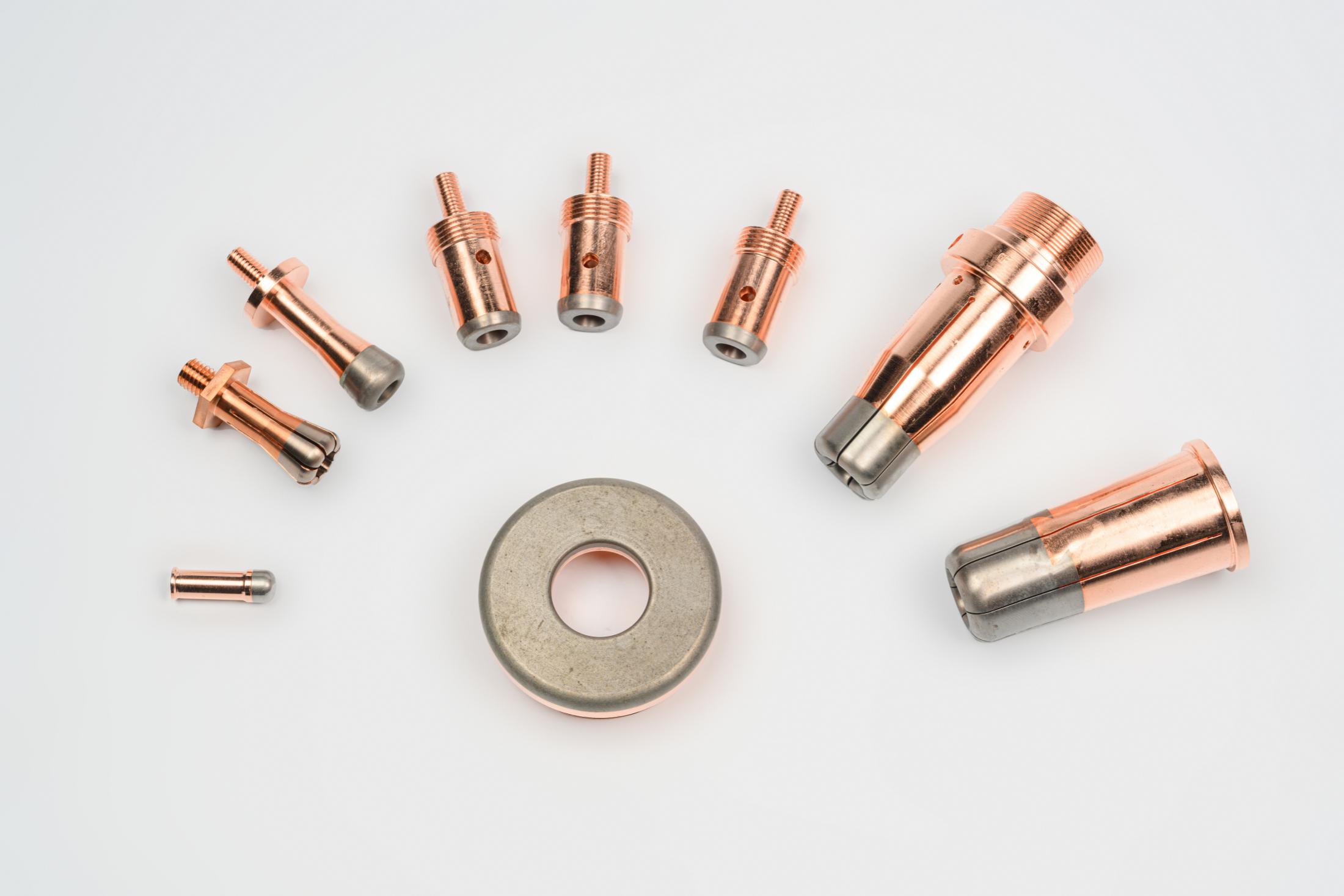
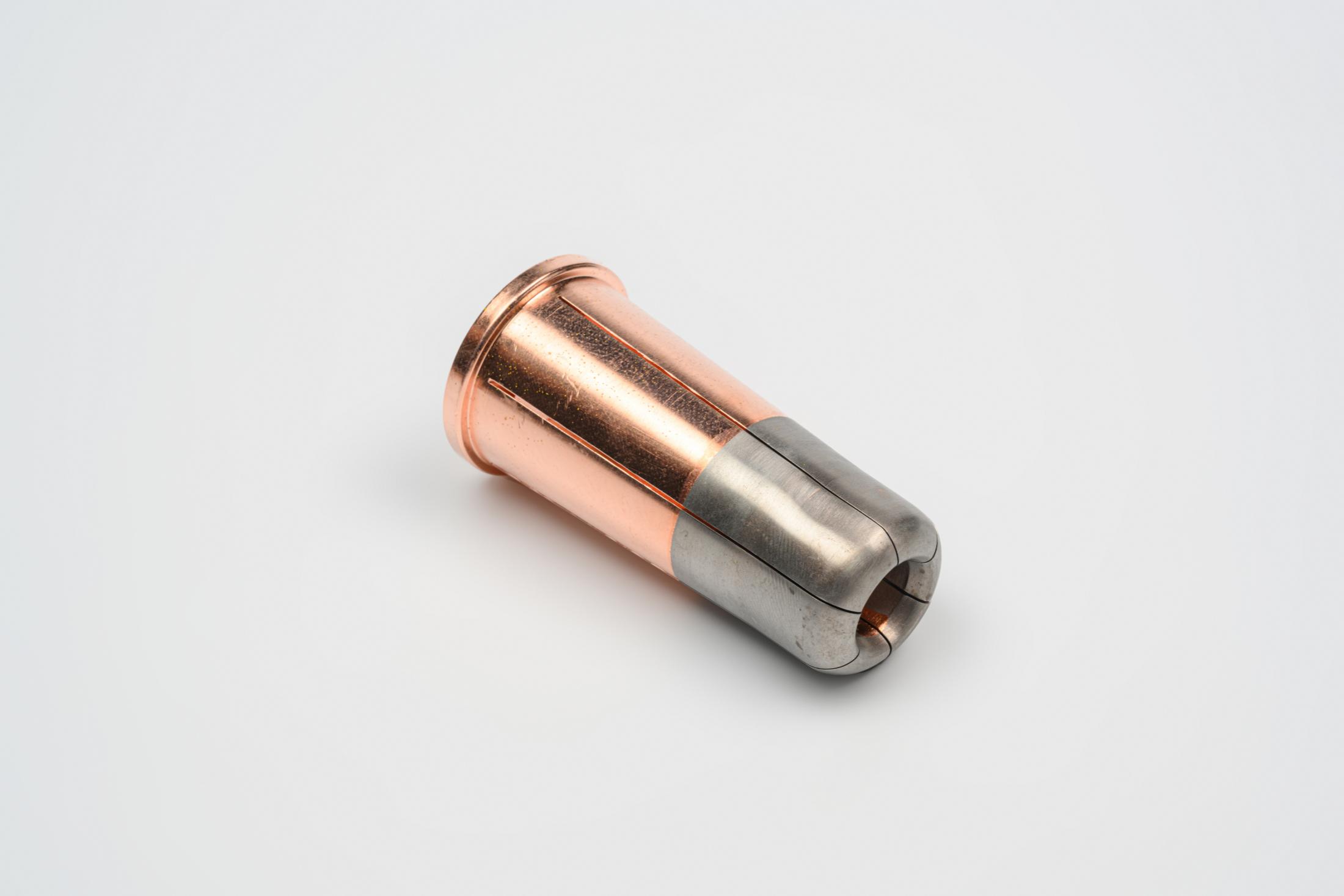
CuW70 Vacuum Interrupter Contact
CuW70 is the most commonly specified grade for medium-voltage vacuum interrupter contacts.
Technical Description
CuW70 Vacuum Interrupter Contact
CuW70 is the most commonly specified grade for medium-voltage vacuum interrupter contacts. Tungsten content at 70 wt% gives the best conductivity in the CuW70/75/80 family while still delivering the arc erosion resistance needed for MV breaker duty. For most new VI designs and for the majority of refurbishment programs, CuW70 is the right starting point.
This listing covers general-purpose CuW70 contacts — geometries that fit standard VI designs without being specifically static or moving. For role-specific contacts, see CuW Static Arc Contact, CuW Moving Arc Contact, or CuW Arc Contact Pair.
Specifications
| Property | Value |
|---|---|
| Material Grade | CuW70 (CuW75 / 80 available on request) |
| Tungsten Content | 70 wt% (75 / 80 on request) |
| Form | Machined VI contact (round, stepped, or to drawing) |
| Dimensions Range | Per drawing |
| Tolerance | Per drawing |
| Electrical Conductivity | ≥42% IACS per GB/T 8320-2025 vacuum switch grade |
| Density | ≥13.80 g/cm³ per GB/T 8320-2025 vacuum switch grade |
| Hardness (HB) | ≥175 per GB/T 8320-2025 |
| Bending Strength | ≥790 MPa per GB/T 8320-2025 |
| Gas Content | O ≤0.008%, N ≤0.002% per GB/T 8320-2025 vacuum switch |
| Surface Treatment | As machined; silver or nickel plating optional |
| Working Voltage | Common MV ratings: 12 / 24 / 40.5 kV |
| Working Current | Application-specific; confirmed per design |
Exact certified properties for your lot are available with material documentation on request.
Applications
- General-purpose VI contact for 12 / 24 / 40.5 kV vacuum circuit breakers
- New VCB designs where CuW70 is specified
- Refurbishment programs replacing existing CuW70 contacts
- Sub-supply to VI manufacturers needing CuW70 contact blanks or finished components
Technical Notes
CuW70 sits at one end of the practical CuW range — the most conductive grade in common use. At 70 wt% tungsten, the copper phase carries enough of the cross-section to give good current handling between operations, while the tungsten phase still handles the arc when the contact opens. For standard MV switchgear duty cycles (a few thousand to tens of thousands of operations over service life), CuW70 holds up well.
When to consider going up to CuW75 or CuW80: very high operating frequency, larger breaking currents than typical, or a service environment that accelerates arc erosion. For most standard MV applications, CuW70 is the right choice and the cost savings vs higher tungsten grades are real.
Sourcing & OEM
Custom-machined CuW70 contacts to your drawing are routine. Plating, MOQ, and lead time vary by specification; contact us with your drawing or sample for a project-specific quote.
Technical FAQ
Common questions about this product.
Why is CuW70 the most common grade for VI contacts?
It's the best balance of conductivity and arc erosion resistance for typical MV breaker duty. CuW75 and CuW80 trade conductivity for more arc resistance; CuW70 keeps conductivity higher while still handling the arc duty most installations see.
How does this listing differ from CuW Static / Moving / Arc Pair?
Role specificity. The static, moving, and pair listings are for contacts in specific positions in a VI. This listing is general-purpose CuW70: used when the contact's role isn't clearly static or moving, when it's a general VI component, or when CuW70 grade itself is the key spec rather than the contact role.
Can I order this in CuW75 or CuW80?
Yes. CuW75 and CuW80 are available on request even from this listing. Specify the grade in your order.
What is the typical lead time?
Lead time varies by grade, dimensions, plating, and order volume. Contact us with your specifications for a project-specific timeline.
Are silver or nickel plating options available?
Yes, on request. Plating is typically applied to non-arcing surfaces to lower contact resistance at the carrier interface.
How do I request a sample for evaluation?
Email sales@tungarc.com with the drawing or specification and intended application.
You May Also Like
Related Products
Similar components you may need.