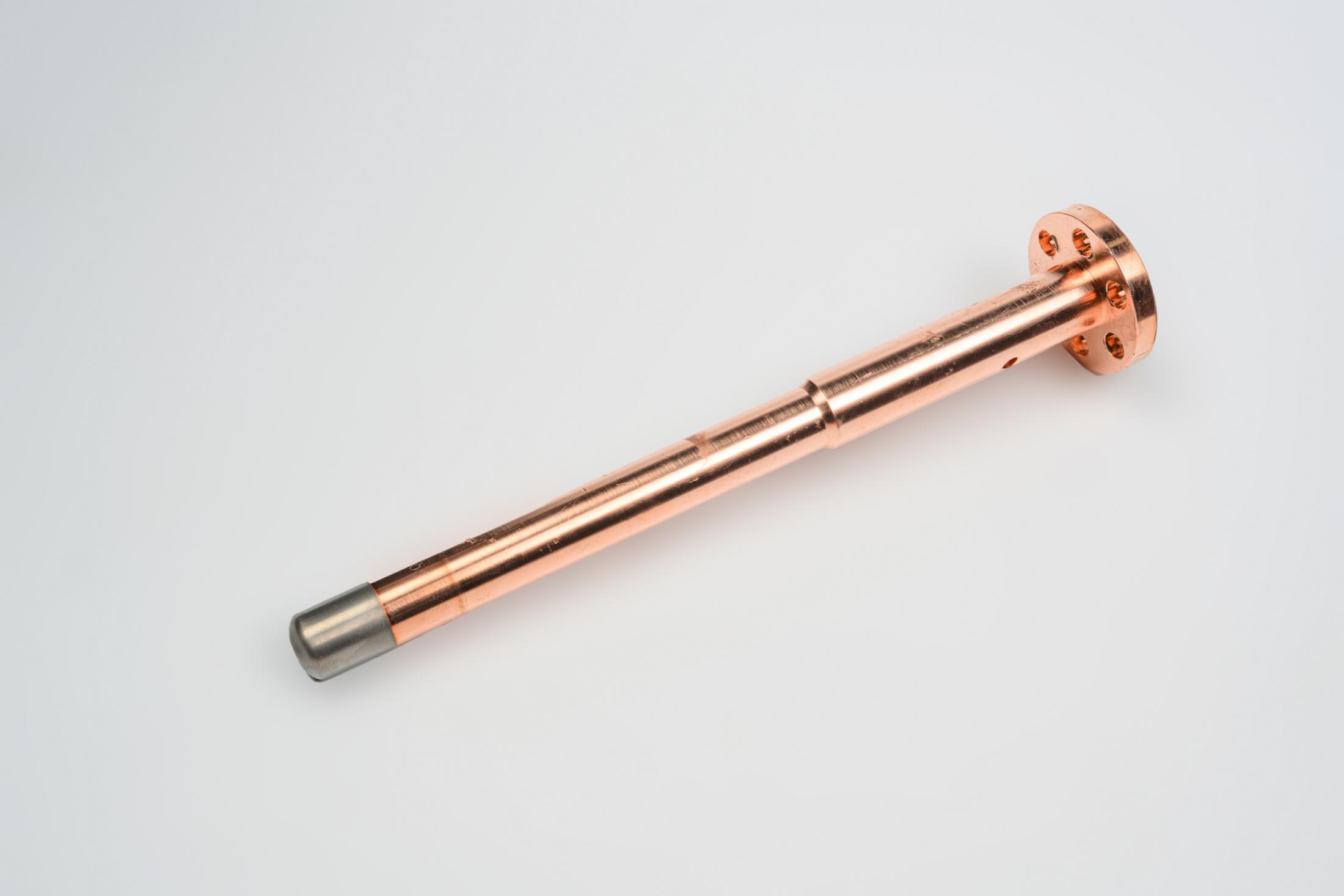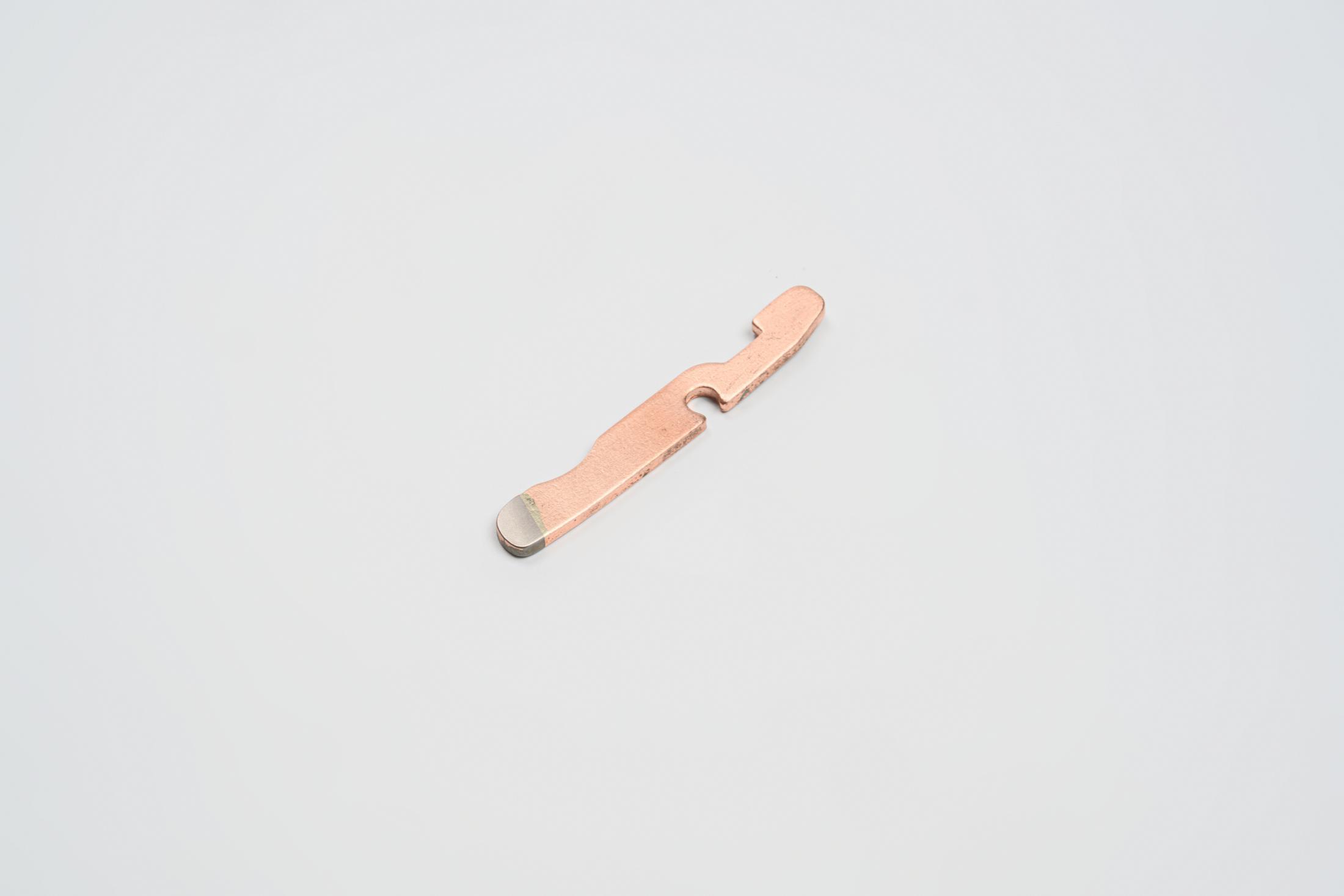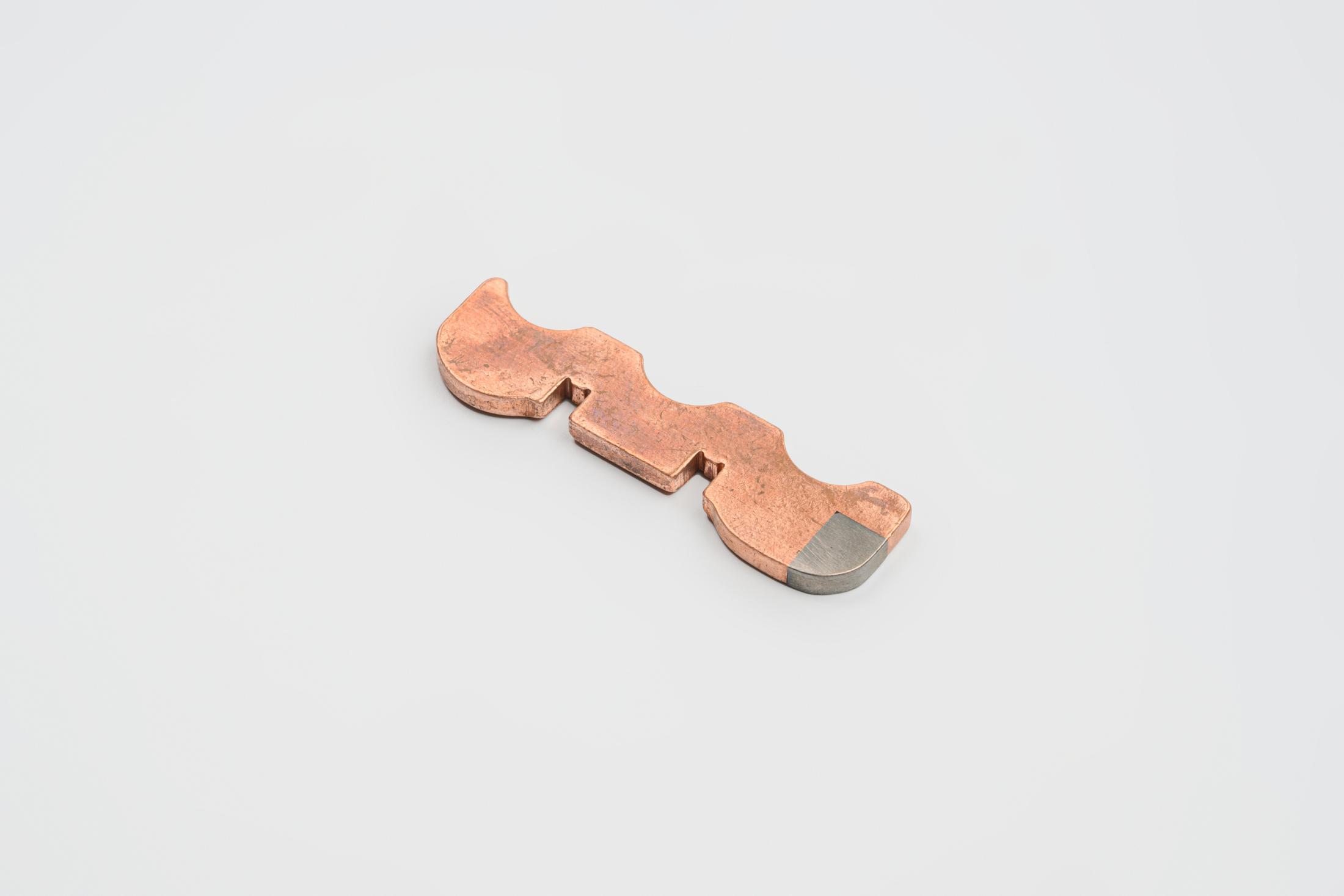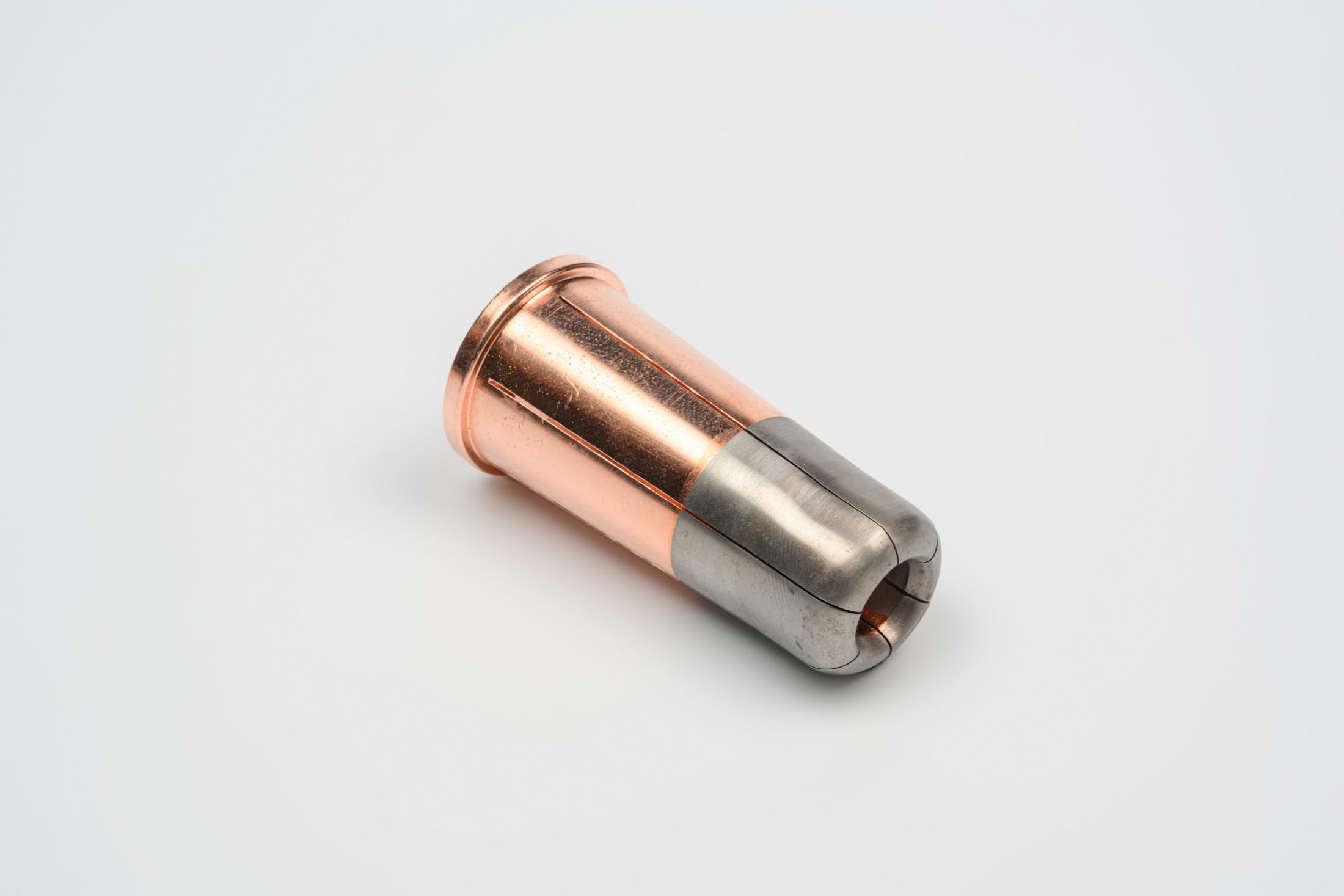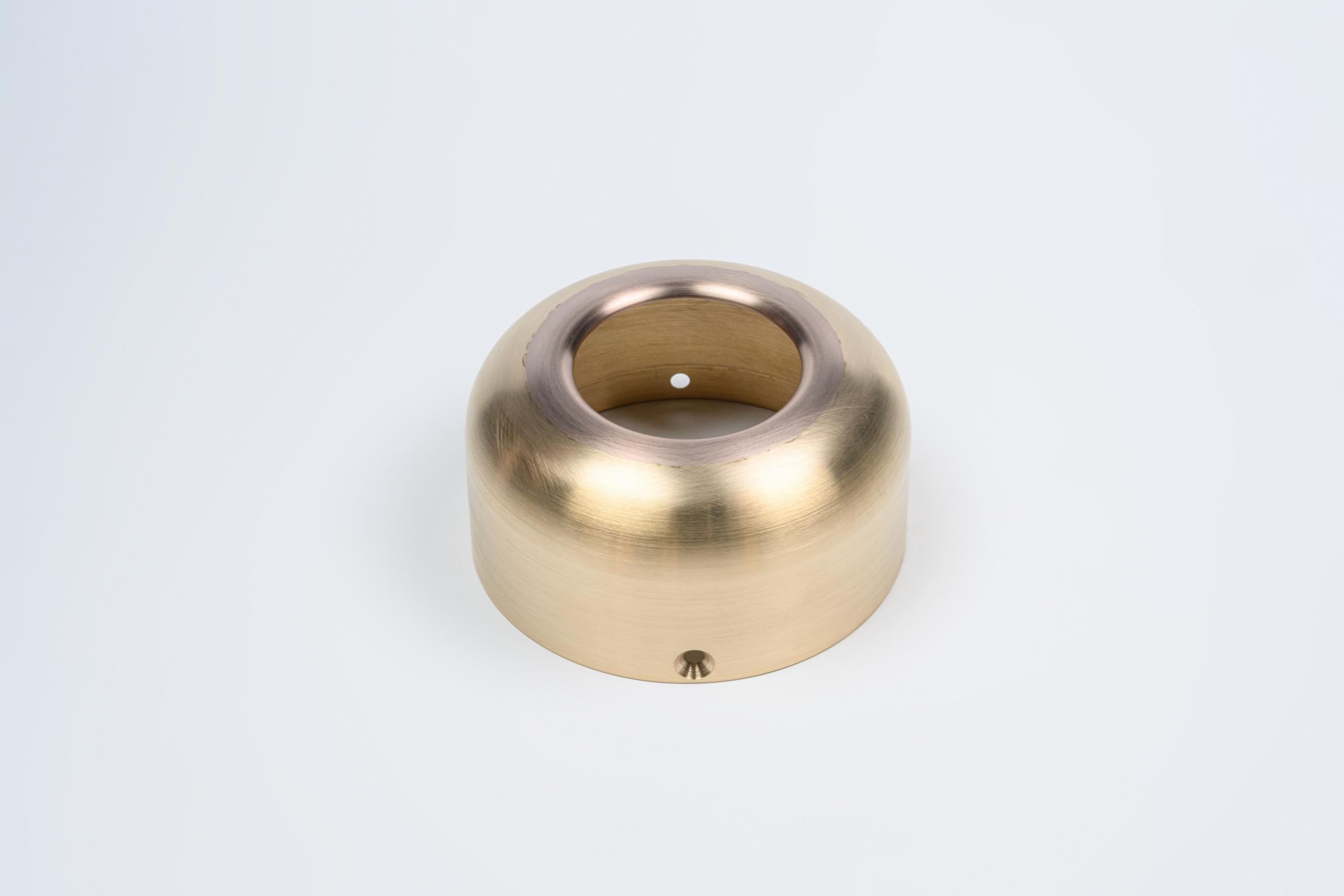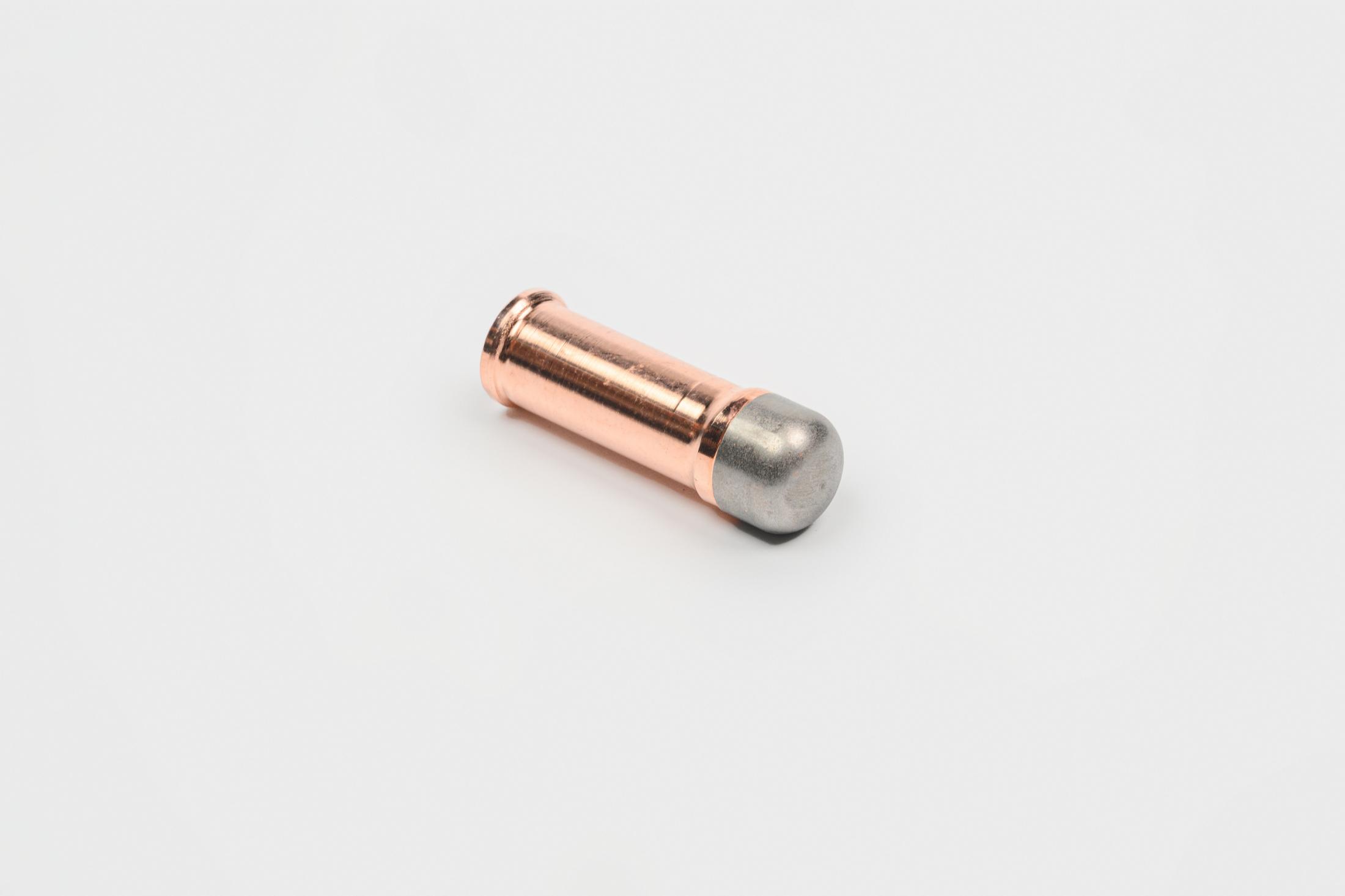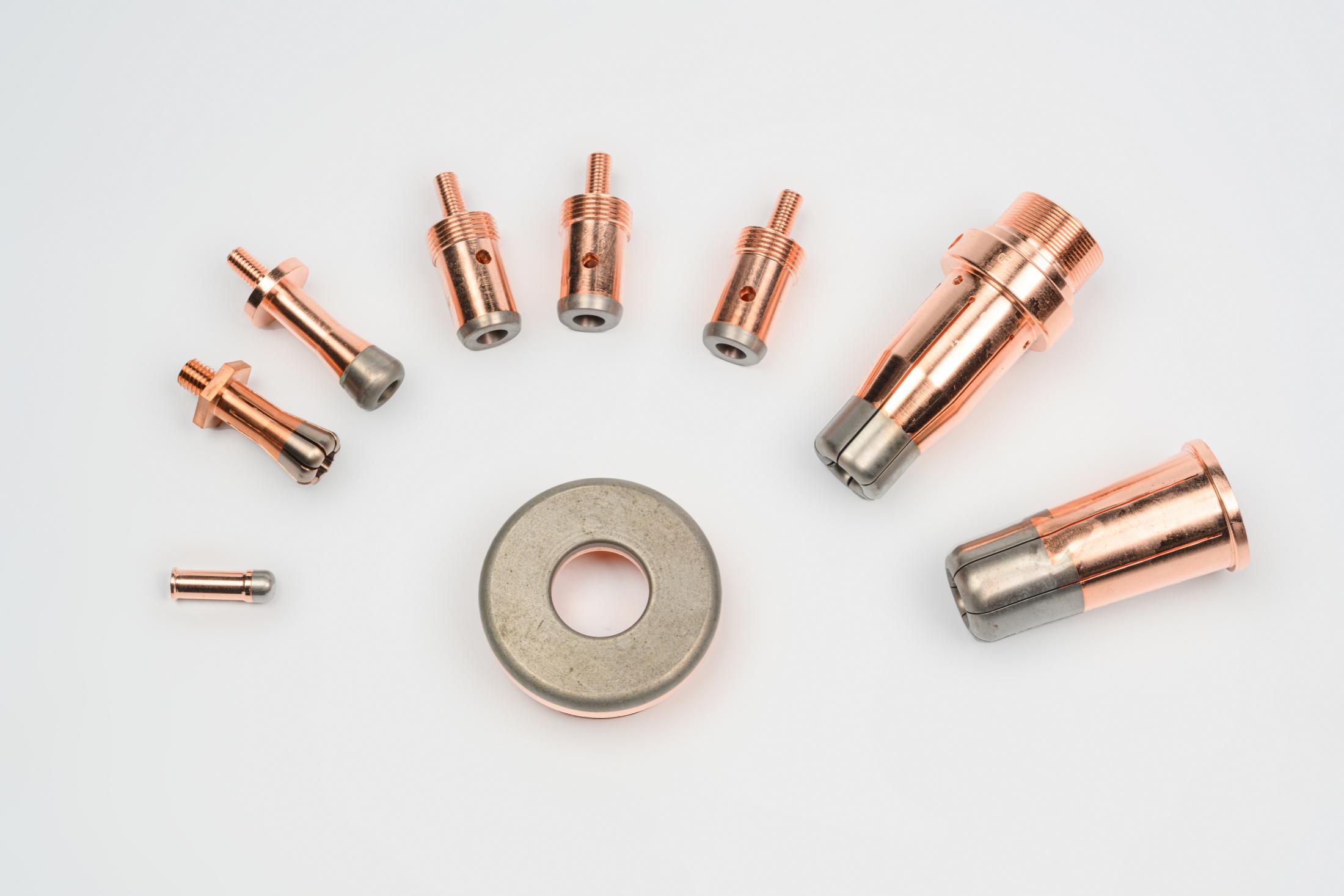
CuW Alloy Custom Component
CuW alloy custom component is the catch-all listing for CuW parts that don't fit a standard form (arc contact, plate, finger, element, rod, cap).
Copper tungsten composites combine copper's conductivity with tungsten's resistance to arc erosion. In medium- and high-voltage vacuum interrupters and switchgear, this combination is what keeps contacts intact through tens of thousands of switching cycles. We supply CuW70, CuW75, and CuW80 in standard rod forms and as machined components : static arc contacts, moving arc contacts, shielding caps, conductive rods, and custom geometries to drawing. Production in our supply network uses powder metallurgy with copper infiltration. The 12 SKUs in this series cover the components most often replaced or specified for new MV switchgear designs. If you're sourcing for a vacuum circuit breaker line at 12 kV, 24 kV, or 40.5 kV, this is the right starting point.
CuW alloy custom component is the catch-all listing for CuW parts that don't fit a standard form (arc contact, plate, finger, element, rod, cap).
CuW conductive rod is the raw stock most often used as starting material for arc contacts, contact plates, and custom CuW components.
CuW conductor is a current-carrying element used where a section of an MV switchgear current path needs arc-resistant material, typically a short CuW segmen...
CuW contact element is a small braze-on CuW insert used where a contact assembly needs an arc-resistant tip but doesn't justify a full CuW contact body.
Contact fingers are the spring-loaded contact elements used in plug-in assemblies, the moving side of a draw-out VCB, the touch-and-break contact in disconn...
CuW contact plate is a flat or stepped CuW element used where a contact assembly needs more surface area than a round contact can provide.
In vacuum interrupter assemblies, guide pins control the moving contact's travel path and prevent rotation during opening and closing.
The moving arc contact is the half of the contact pair that travels when the vacuum interrupter opens or closes.
Inside a vacuum interrupter, the shielding cap sits around the contact gap and absorbs the metal vapor that comes off the arc.
CuW70 is the most commonly specified grade for medium-voltage vacuum interrupter contacts.
This product is sold as a paired set, one static arc contact plus one moving arc contact, matched in grade, dimensions, and lot.
The static arc contact is the fixed-side contact in a vacuum interrupter.
Copper and tungsten do not alloy. CuW is made by pressing and sintering a tungsten skeleton, then infiltrating molten copper into the pores. That is why the material is also sold as copper infiltrated tungsten, and why the grade number is a tungsten weight percentage rather than a mixing ratio. CuW70 is 70 wt% tungsten with copper filling the rest of the volume.
The consequence for a buyer is practical: the copper phase carries current, the tungsten skeleton survives the arc, and the ratio between them is the only real lever. More tungsten means better arc erosion resistance and lower conductivity. There is no grade that gives you both.
| Grade | Tungsten | Typical use |
|---|---|---|
| CuW70 | 70 wt% | The default for MV vacuum interrupter and switchgear arc contacts. Start here unless the duty says otherwise. |
| CuW75 | 75 wt% | Higher interruption duty, where CuW70 erodes faster than the maintenance interval allows. |
| CuW80 | 80 wt% | Severe arc duty. Accept the conductivity penalty deliberately, not by default. |
Across the range, electrical conductivity runs roughly 32–45% IACS and hardness roughly HB 175–240, both moving with tungsten content. Choosing a CuW grade works through the trade-off with worked examples, and the properties guide has the full data set.
Three things get ordered from this page and they are priced differently.
Rod stock. CuW conductive rod is the starting material most shops buy when they machine contacts themselves. Copper tungsten rod is also the raw stock behind contact plates and custom components.
Semi-finished. Pressed and sintered blanks close to final shape, finished by the customer. Useful when you own the final machining but not the powder metallurgy.
Finished parts to drawing. Static arc contacts, moving arc contacts, contact plates, contact fingers, shielding caps, guide pins, and custom CuW components for anything outside those forms.
Where a CuW section joins a copper current path, the joint is usually brazed rather than bolted. Brazing CuW to copper covers filler choice and the wetting problem the tungsten skeleton creates.
Inside a sealed vacuum bottle, the make-and-break contacts are almost always CuCr. CuW belongs on arc-exposed surfaces in SF6, oil, and air-insulated switchgear, and on the arcing contacts around a vacuum interrupter rather than inside it. The material comparison lays out the boundary.
A drawing, the grade if it is already specified, and the quantity. If the grade is open, tell us the switchgear rating and the duty and we will say which one we would run. Diameter, length, tolerance, threads, flanges, and chamfers all come from the drawing.
We supply the CuW element and, where the drawing calls for it, the brazed assembly. The copper bar itself comes from conductive rods and conductors.