Skip to content
Search products
Popular

Solutions

Applications & Solutions

Components organized by application scenario.

Applications & Solutions
Bronze Series

Categories

Bronze Series

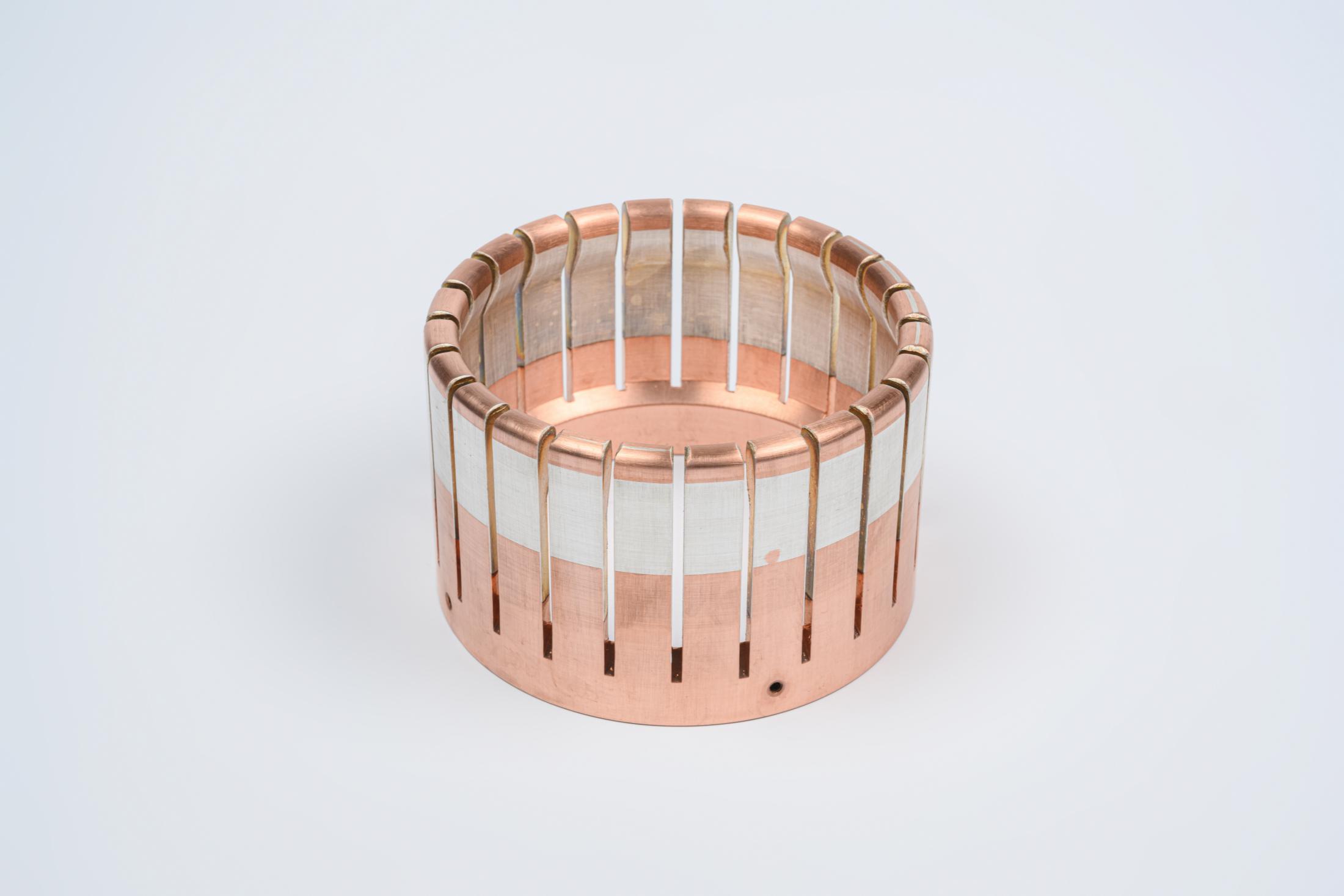
Bronze and aluminum bronze components fill the spaces in MV switchgear where copper is too soft and CuW is overkill : bushings, contact fingers, commutator plates, and the small precision parts that make breaker and disconnector assemblies work. Bronze alloys offer better mechanical strength than pure copper while keeping useful conductivity, and they handle sliding contact wear that would gall copper-on-copper. We supply bronze components for MV switchgear builds and refurbishment programs: standard parts like bushings and contact fingers, plus custom machined components from drawing. Aluminum bronze (C95400 series) is our most common alloy; phosphor bronze (C51000 / C52400) and brass (C26000 / C28000) are used for specific applications.

Bronze Bushing for MV Switchgear

Bronze bushings support moving shafts and provide bearing surfaces in MV switchgear operating mechanisms, the shaft that drives a moving contact, the pivot...

Bronze Commutator Plate

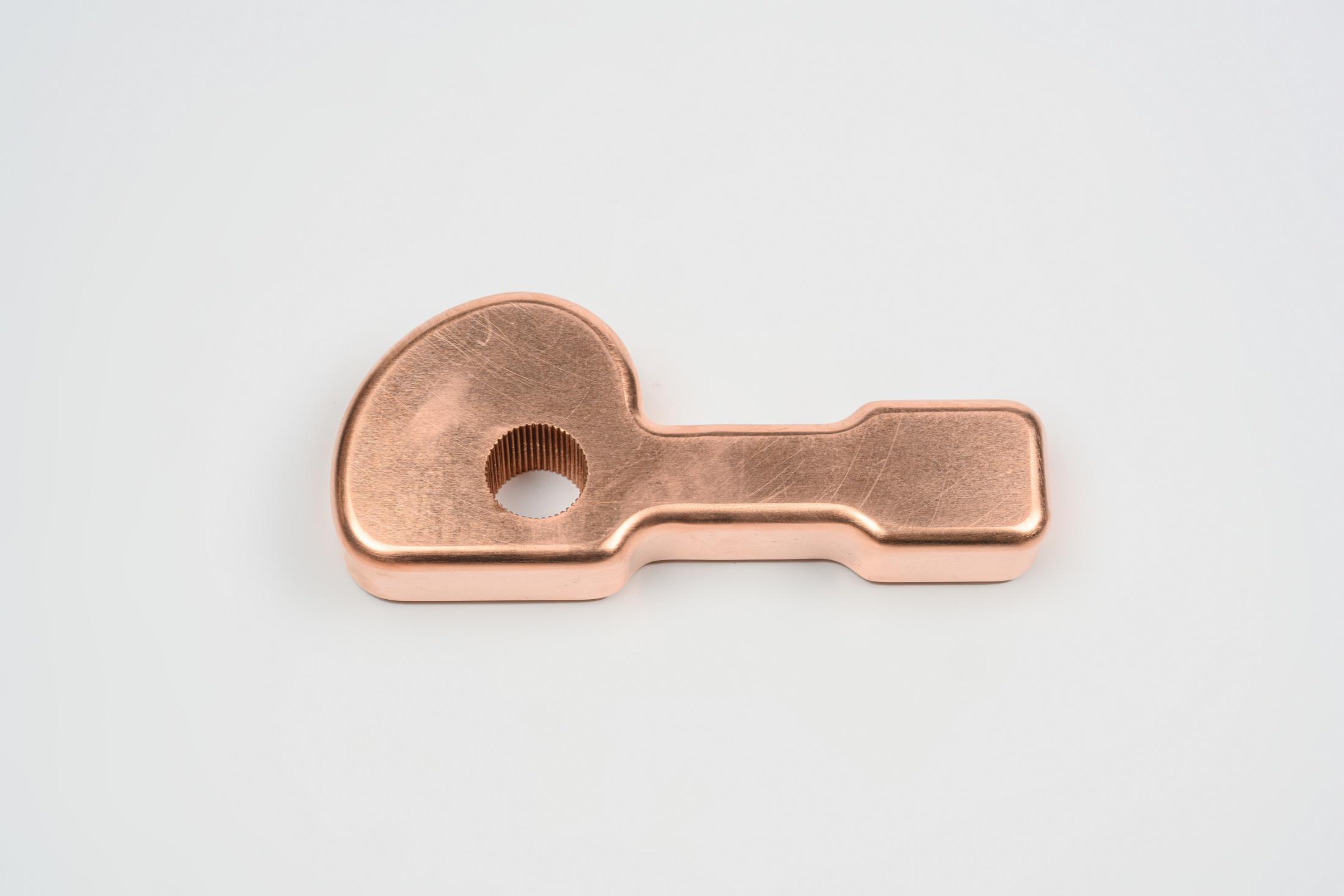
Commutator plates are the segmented contact elements in commutator-style switching mechanisms, older MV switchgear designs that use a rotating or stepping c...

Bronze Contact Finger

Bronze contact fingers are spring-loaded contact elements where the body and spring action are combined in one piece. The bronze alloy is hard enough to act...

Bronze Precision Machined Component

Bronze precision part is the catch-all listing for bronze components that don't fit the standard form factors, bushing, contact finger, ring, commutator plate.

Conductive Rods & Conductors

Categories

Conductive Rods & Conductors

Conductive rods and conductors carry current through MV switchgear assemblies,from the cable termination through the breaker contacts to the outgoing bus. Material choice matters: pure copper has the highest conductivity but is mechanically softer; aluminum bronze is harder and more wear-resistant but loses some conductivity; CuW handles arc-exposed segments without melting. Most MV current paths use copper for the bulk of the run and bronze or CuW for the arc-exposed or sliding-contact segments. We supply conductive rod and conductor elements in copper (C10100 / C11000 OFC and ETP grades), aluminum bronze (C95400), and as machined components combining multiple materials. For CuW rod, see the Copper Tungsten Series.

Aluminum Bronze Rod
Aluminum Bronze Rod

Aluminum bronze rod is the conductor material where mechanical strength and wear resistance matter alongside conductivity, typically in sliding-contact appl...

Copper Conductive Rod

Pure copper rod is the workhorse conductor in MV switchgear current paths, main bus, breaker conductor, terminal extensions, and the dozens of short copper...

Copper Conductor Element

Machined copper conductor elements are the near-final-shape current-path segments in MV switchgear and VCB assemblies, not rod stock, but parts machined to...

Moving Contact Conductor

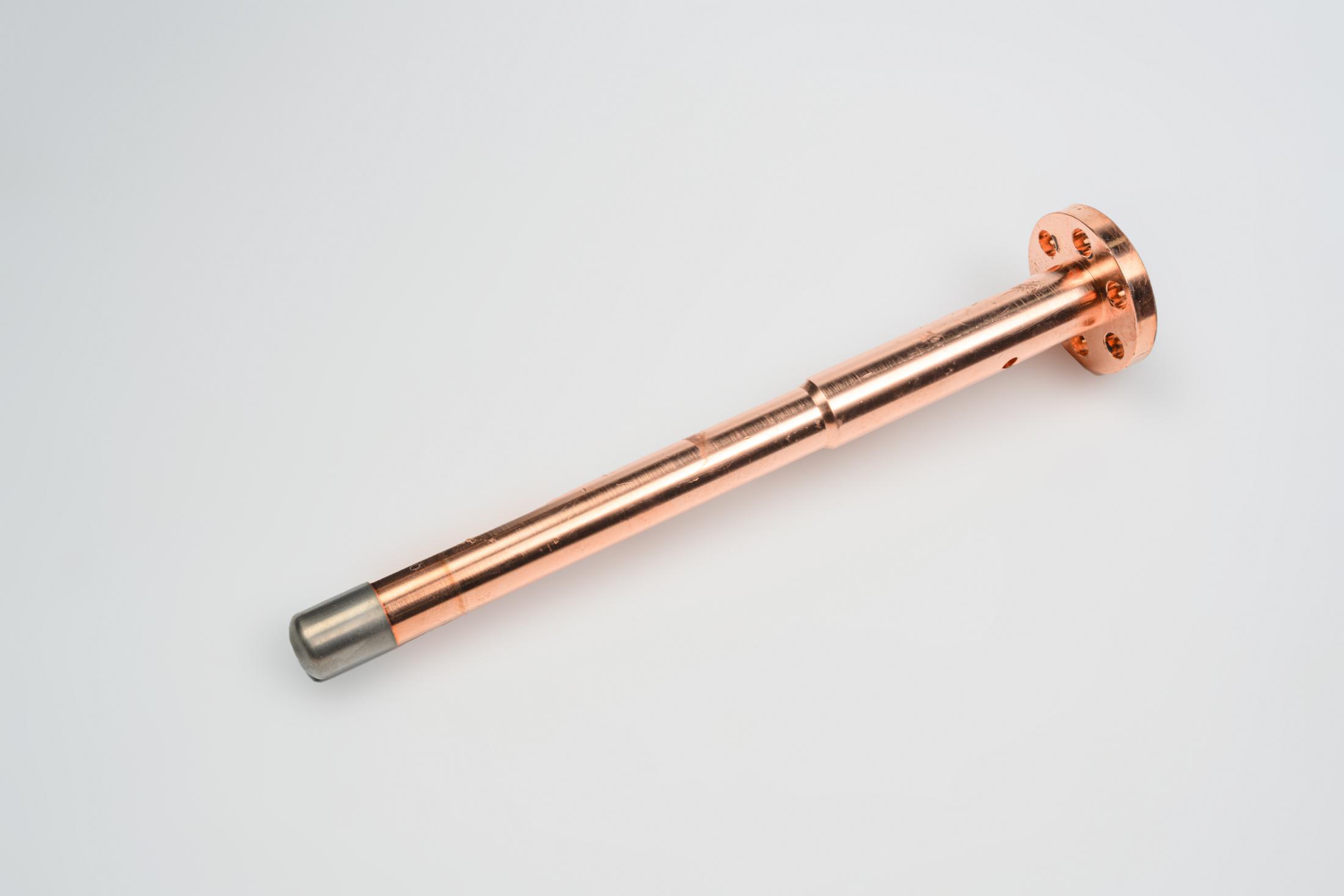
The moving contact conductor is the rod connecting an MV breaker's operating mechanism to the moving contact face. It carries the breaker's continuous curre...

Contact Arms for MV Switchgear

Categories

Contact Arms for MV Switchgear

Contact arms are the structural conductor components that connect the operating mechanism in an MV switchgear assembly to the contact face. They carry full breaker current, support the mechanical motion of opening and closing, and in many designs serve as the visible movement element when the breaker actuates. Material choice ranges from pure copper for the highest conductivity, through aluminum for cost-sensitive builds, to copper-aluminum bimetal where weight and current both matter. We supply contact arms in single-piece configurations (one arm per assembly) and matched pairs (two arms working as a coordinated unit in the breaker mechanism). Custom geometries from drawing are routine.

Contact Arm Pair for MV Switchgear

A matched contact arm pair consists of two arms produced as a coordinated unit, same lot, same dimensions, geometrically aligned for the breaker mechanism t...

Single Contact Arm for MV Switchgear

Single contact arm, individual arm sold one at a time, for MV breaker mechanisms that use one arm per phase or for replacement orders where only one side ne...

Contacts & Contact Assemblies

Categories

Contacts & Contact Assemblies

This category covers contact components and contact sub-assemblies that don't fit specifically under the Copper Tungsten (arc duty), Tulip Contacts (plug-in), or Bronze Series (mechanical) categories, primarily static and moving contacts in copper or copper-alloy form, supplied as individual components or as complete contact assemblies for MV switchgear builds. For arc-duty contacts (CuW-tipped) see the Copper Tungsten Series. For plug-in contacts see Tulip Contacts. This category sits in the middle: contacts that carry continuous current and handle make-and-break duty but at lower arc severity than CuW-required applications.

MV Static Contact Assembly

MV static contact assembly is a complete sub-assembly including the static contact element, mounting hardware, and supporting components, supplied as a sing...

MV Switchgear Moving Contact

The moving contact is the moving-side contact element in MV breakers, contactors, and disconnector mechanisms, the part that travels under operator-driven m...

MV Switchgear Static Contact

The static contact is the fixed-side contact in an MV breaker, contactor, or disconnector mechanism, the part that the moving contact mates with during closing.

Static Contact 630A
Static Contact 630A

Static contact rated for 630A continuous duty, the most common static contact current rating in distribution-class MV switchgear.

Copper Chromium (CuCr) Series

Categories

Copper Chromium (CuCr) Series

Copper chromium is the standard contact material for medium-voltage vacuum interrupters. Inside a vacuum circuit breaker or vacuum contactor, the pair of contacts that make and break the circuit under vacuum are almost always CuCr. The copper matrix carries continuous current, and the chromium phase handles the arc during interruption, suppresses contact welding, and keeps the chopping current low. Where CuW (copper tungsten) dominates in SF6, oil, and air-insulated MV switchgear arcing contacts, CuCr dominates inside the vacuum bottle. We supply CuCr contacts in the grades covered by GB/T 26867-2011 (Chinese national standard for copper-chromium electrical contacts) : CuCr25 for high-conductivity general-purpose vacuum interrupter duty, and CuCr50 for higher-rated, high-cycle, and severe interruption duty where anti-weld behavior and low chopping current matter most. Contacts are produced as discs and custom geometries to drawing, in axial-magnetic-field (AMF) and radial-magnetic-field (RMF) forms.

CuCr Contact Disc
CuCr Contact Disc

The CuCr contact disc is the geometry that does the work inside a vacuum interrupter.

CuCr Custom Component

CuCr custom component is the catch-all listing for copper-chromium parts that don't fit the standard disc, AMF, or RMF contact forms.

CuCr25 Vacuum Interrupter Contact

CuCr25 is the high-conductivity copper-chromium grade, 25% chromium in a copper matrix, and the most common contact material for general-purpose medium-vol...

CuCr50 Vacuum Interrupter Contact

CuCr50 is the high-chromium copper-chromium grade, 50% chromium in a copper matrix, for vacuum interrupters with severe interruption duty.

Copper Tungsten (CuW) Series

Categories

Copper Tungsten (CuW) Series

Copper tungsten composites combine copper's conductivity with tungsten's resistance to arc erosion. In medium- and high-voltage vacuum interrupters and switchgear, this combination is what keeps contacts intact through tens of thousands of switching cycles. We supply CuW70, CuW75, and CuW80 in standard rod forms and as machined components : static arc contacts, moving arc contacts, shielding caps, conductive rods, and custom geometries to drawing. Production in our supply network uses powder metallurgy with copper infiltration. The 12 SKUs in this series cover the components most often replaced or specified for new MV switchgear designs. If you're sourcing for a vacuum circuit breaker line at 12 kV, 24 kV, or 40.5 kV, this is the right starting point.

CuW Alloy Custom Component

CuW alloy custom component is the catch-all listing for CuW parts that don't fit a standard form (arc contact, plate, finger, element, rod, cap).

CuW Conductive Rod
CuW Conductive Rod

CuW conductive rod is the raw stock most often used as starting material for arc contacts, contact plates, and custom CuW components.
CuW Conductor for MV Switchgear

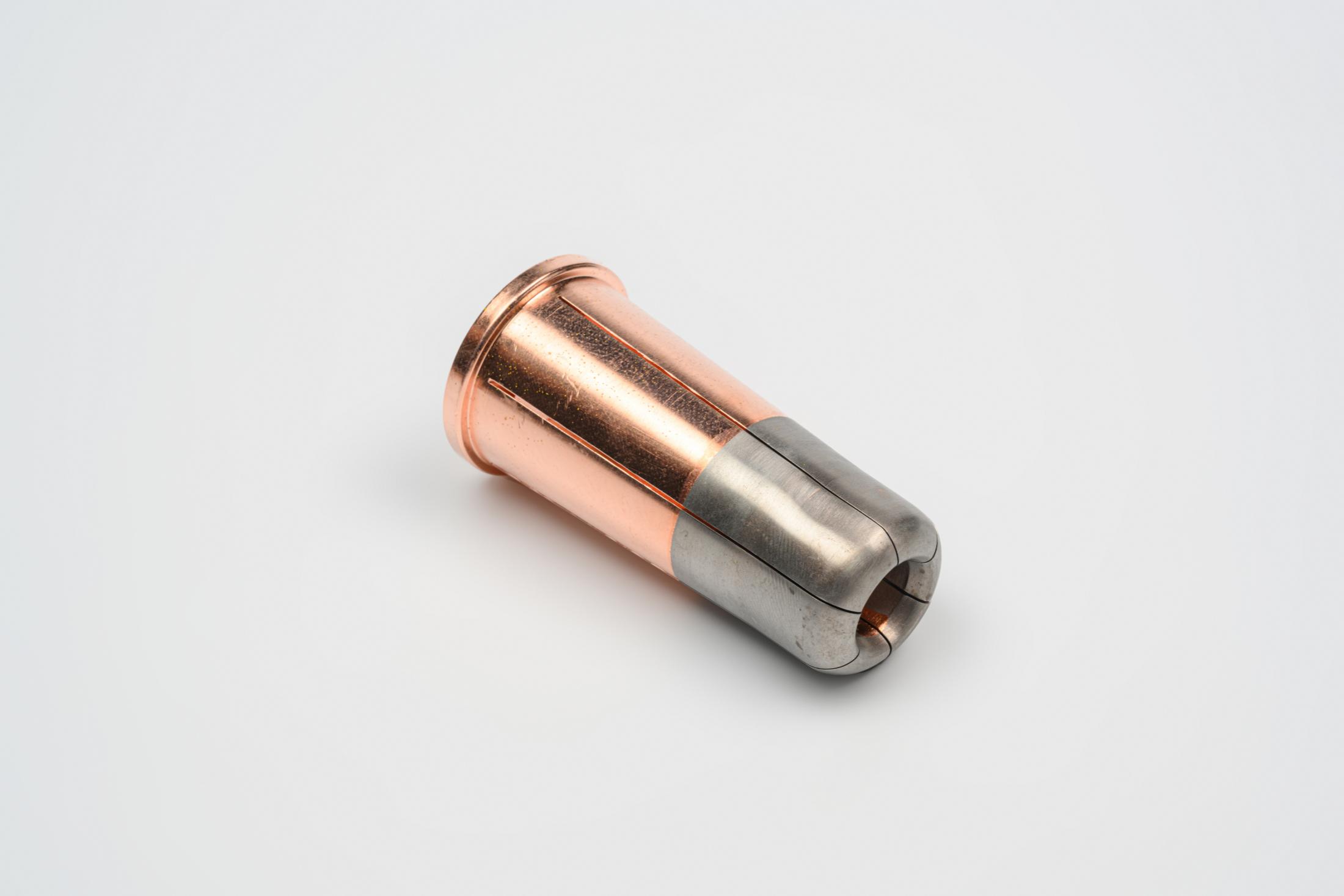
CuW conductor is a current-carrying element used where a section of an MV switchgear current path needs arc-resistant material, typically a short CuW segmen...
CuW Contact Element
CuW Contact Element

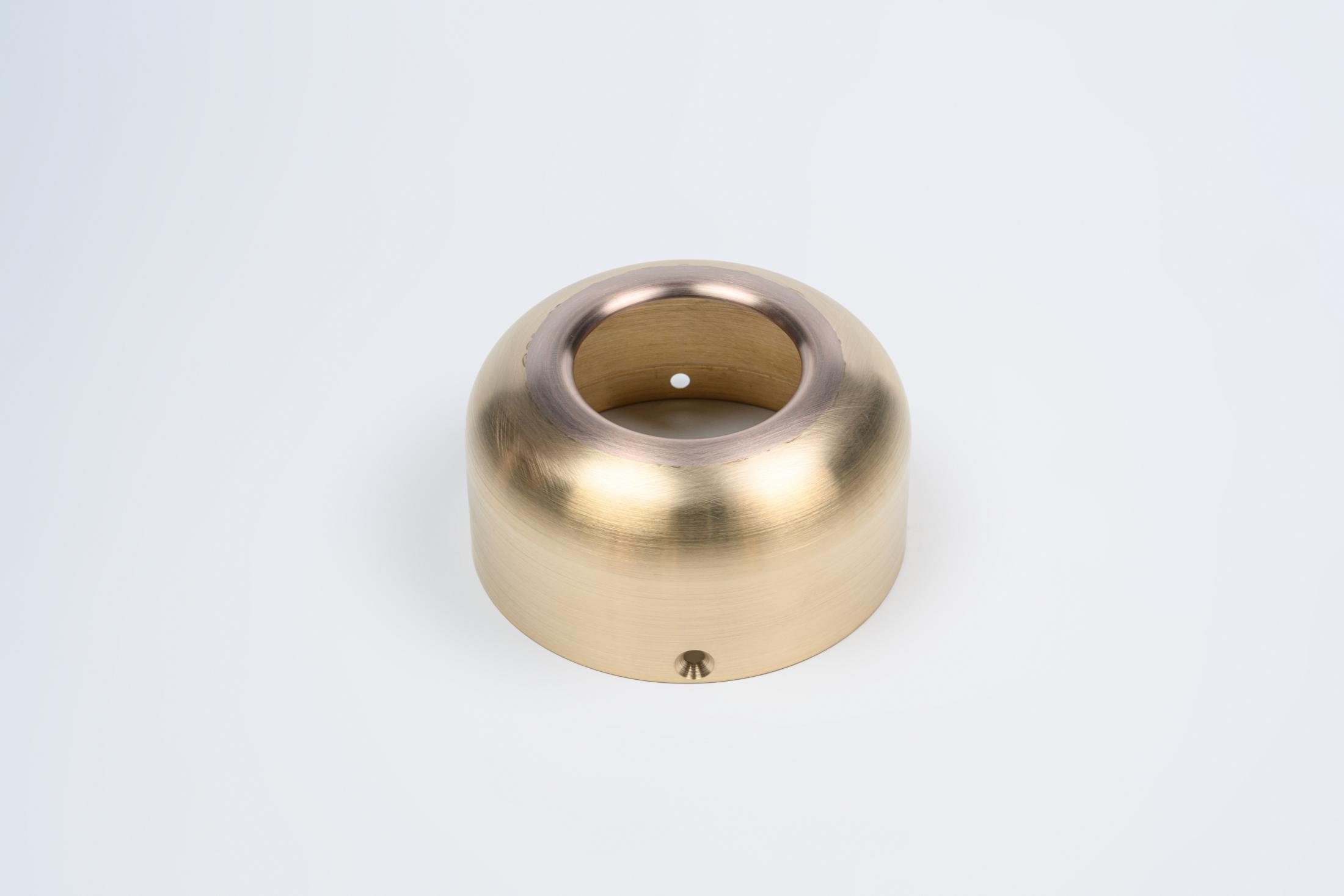
CuW contact element is a small braze-on CuW insert used where a contact assembly needs an arc-resistant tip but doesn't justify a full CuW contact body.

CuW Contact Finger
CuW Contact Finger

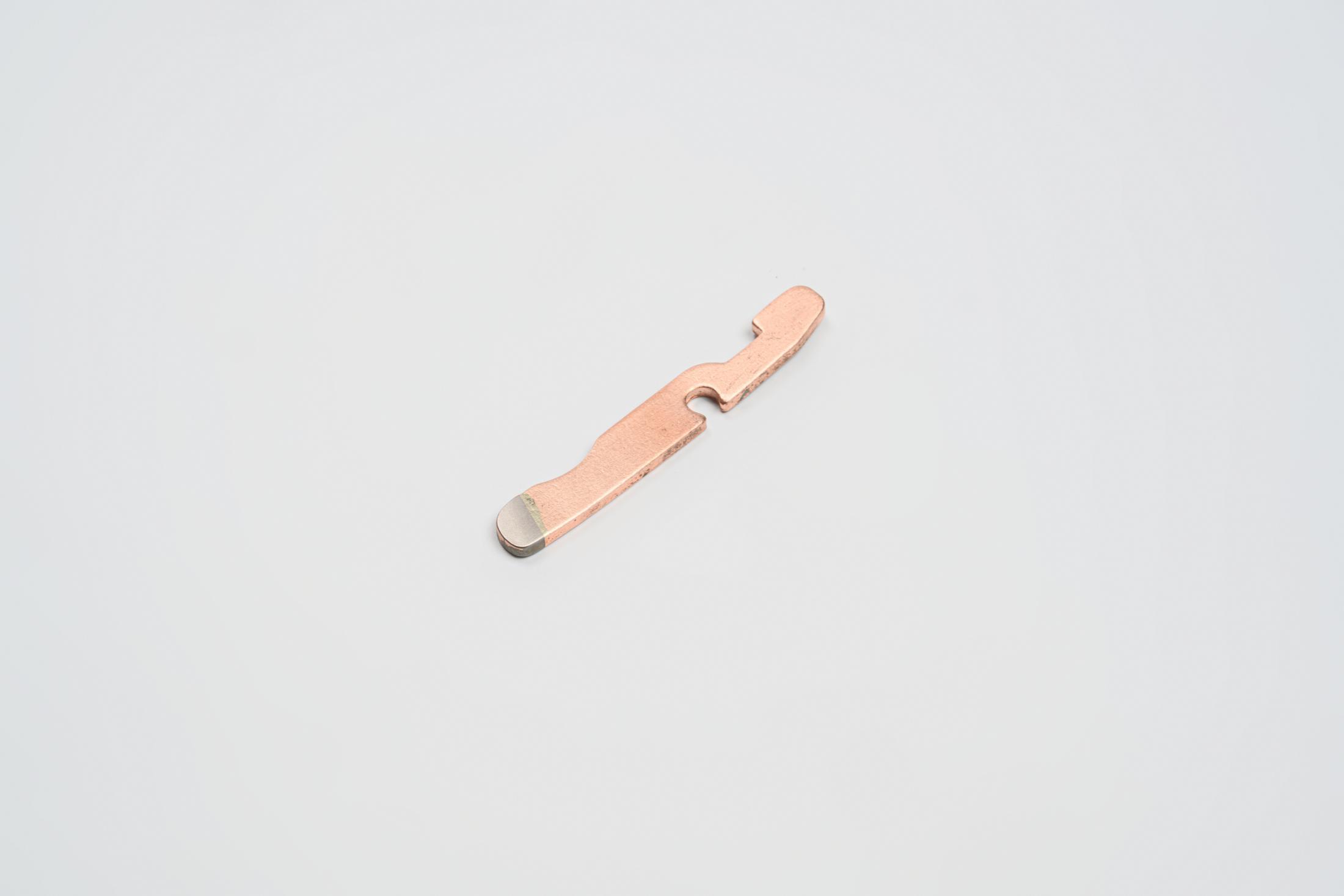
Contact fingers are the spring-loaded contact elements used in plug-in assemblies, the moving side of a draw-out VCB, the touch-and-break contact in disconn...

CuW Contact Plate
CuW Contact Plate

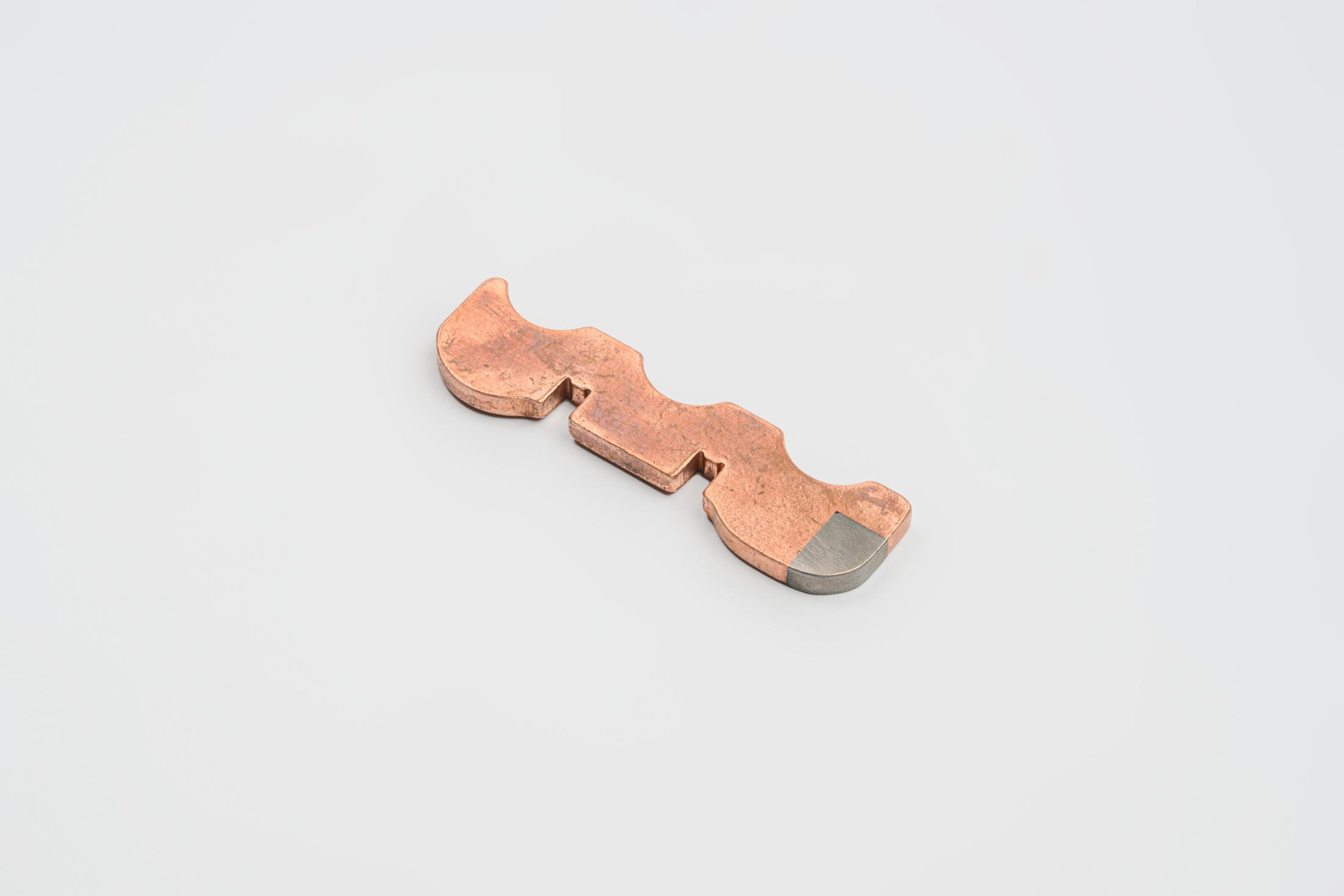
CuW contact plate is a flat or stepped CuW element used where a contact assembly needs more surface area than a round contact can provide.

CuW Guide Pin for Vacuum Interrupters

In vacuum interrupter assemblies, guide pins control the moving contact's travel path and prevent rotation during opening and closing.

CuW Moving Arc Contact

The moving arc contact is the half of the contact pair that travels when the vacuum interrupter opens or closes.

CuW Shielding Cap
CuW Shielding Cap

Inside a vacuum interrupter, the shielding cap sits around the contact gap and absorbs the metal vapor that comes off the arc.

Silver Tungsten (AgW) Series

Categories

Silver Tungsten (AgW) Series

Silver tungsten contacts combine silver's conductivity with tungsten's arc-erosion resistance, the standard material for low-voltage electrical apparatus where contact resistance matters as much as arc handling. Where CuW (copper tungsten) dominates in MV vacuum interrupters, AgW dominates in LV contactors, motor starters, relays, and air circuit breakers. The silver matrix gives lower contact resistance than copper at the same tungsten content; the tungsten phase handles arc duty during making and breaking. We supply AgW contacts across the full grade range covered by GB/T 8320-2025 (Chinese national standard for copper-tungsten and silver-tungsten electrical contacts), from AgW30 for high-conductivity general-purpose duty through AgW80 for severe-duty motor starters. Most production is in tip / button form for LV contactors, with custom geometries available from drawing.

AgW Contact Rivet
AgW Contact Rivet

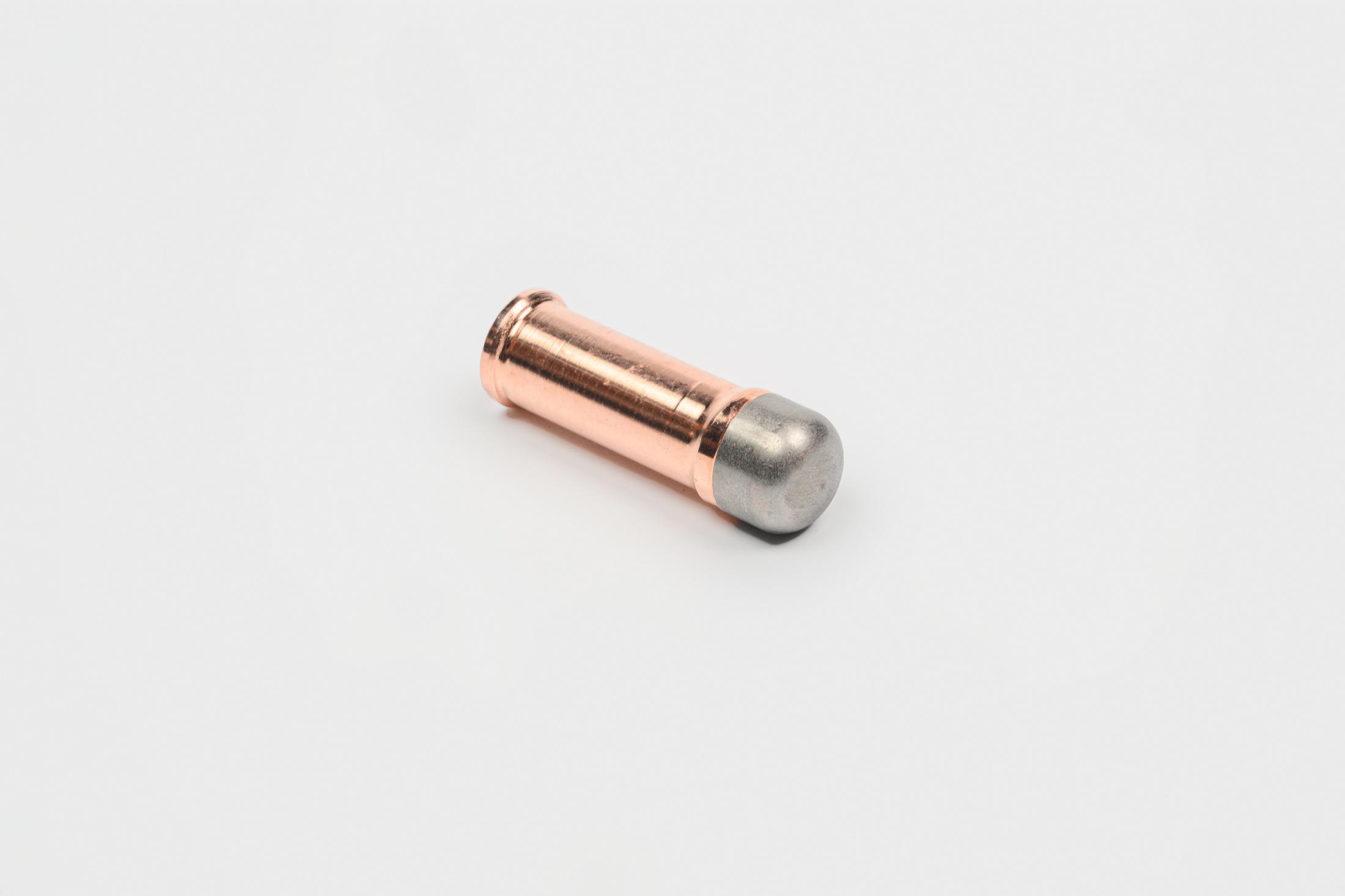
The AgW contact rivet is a riveted contact form for high-volume LV electrical apparatus, a silver-tungsten contact button with a pre-formed mounting head (r...

AgW Contact Tip
AgW Contact Tip

The AgW contact tip is the standard form for low-voltage electrical apparatus, a small machined or sintered silver-tungsten element brazed or pressed onto a...

AgW Custom Component

AgW custom component is the catch-all listing for silver-tungsten parts that don't fit the standard tip, rivet, or button forms.

AgW70 Heavy-Duty Contact

AgW70 is the workhorse grade for severe-duty LV electrical apparatus, motor starters, heavy-cycle contactors, air circuit breakers at higher current ratings...

Tulip Contact Series

Categories

Tulip Contact Series

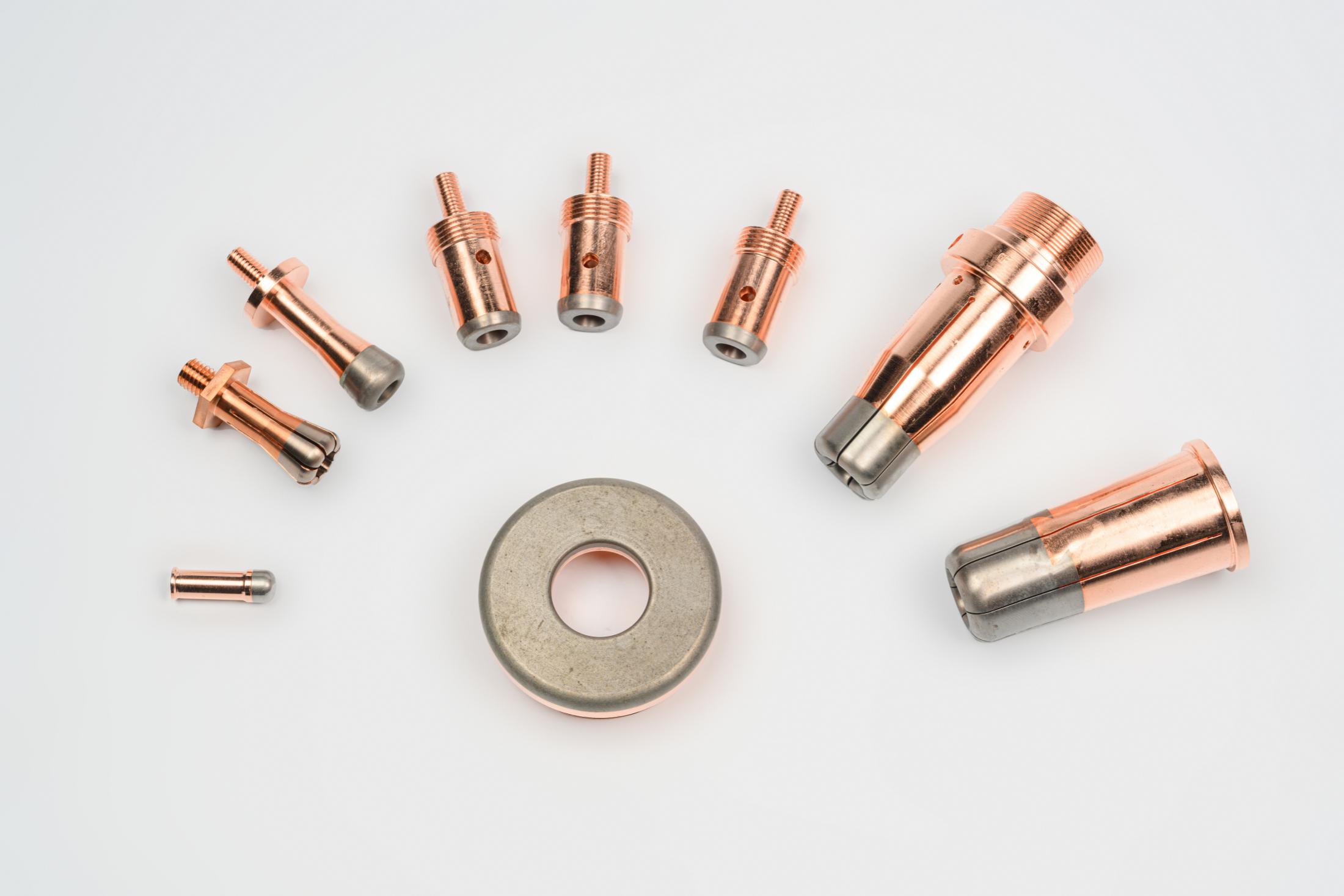
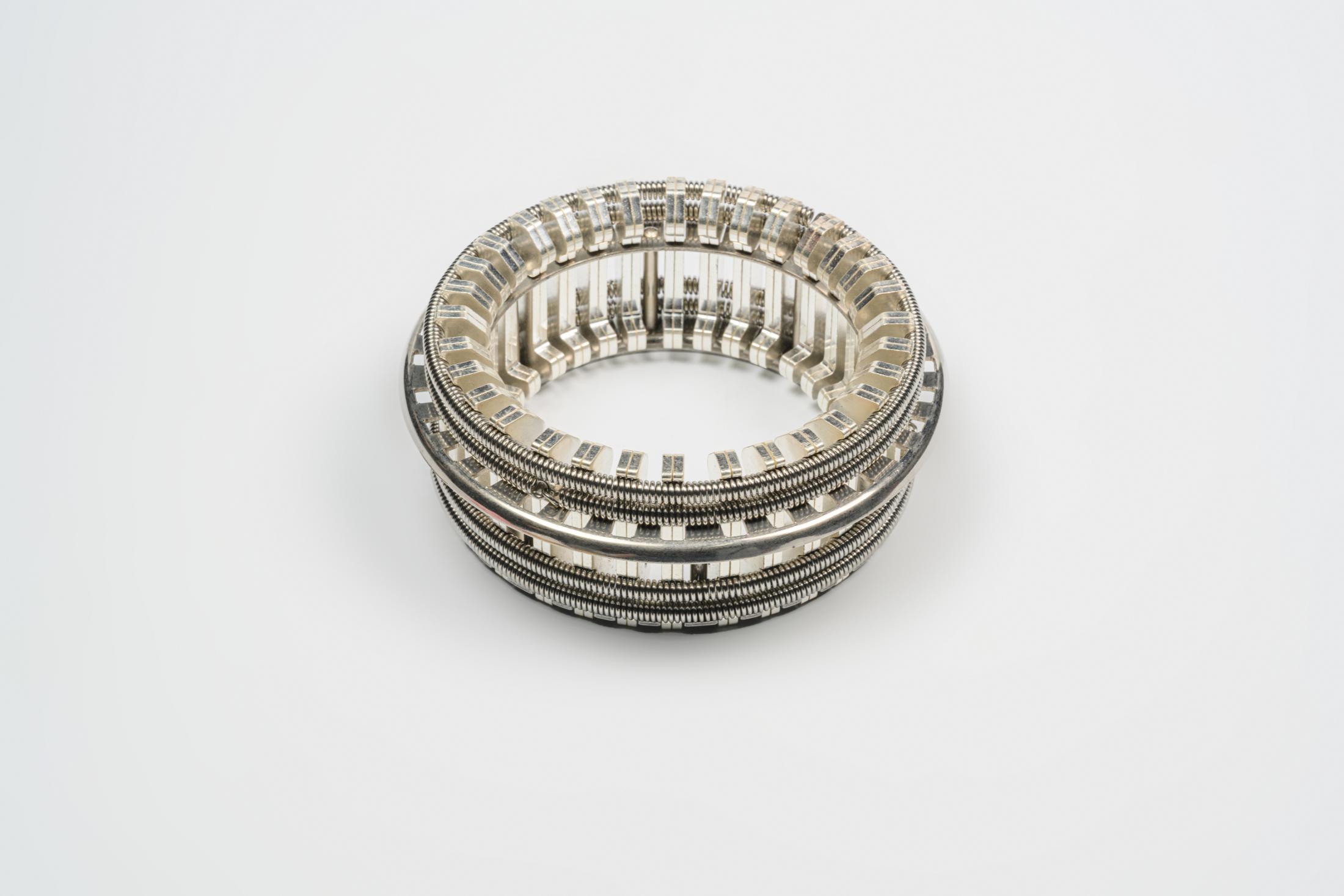
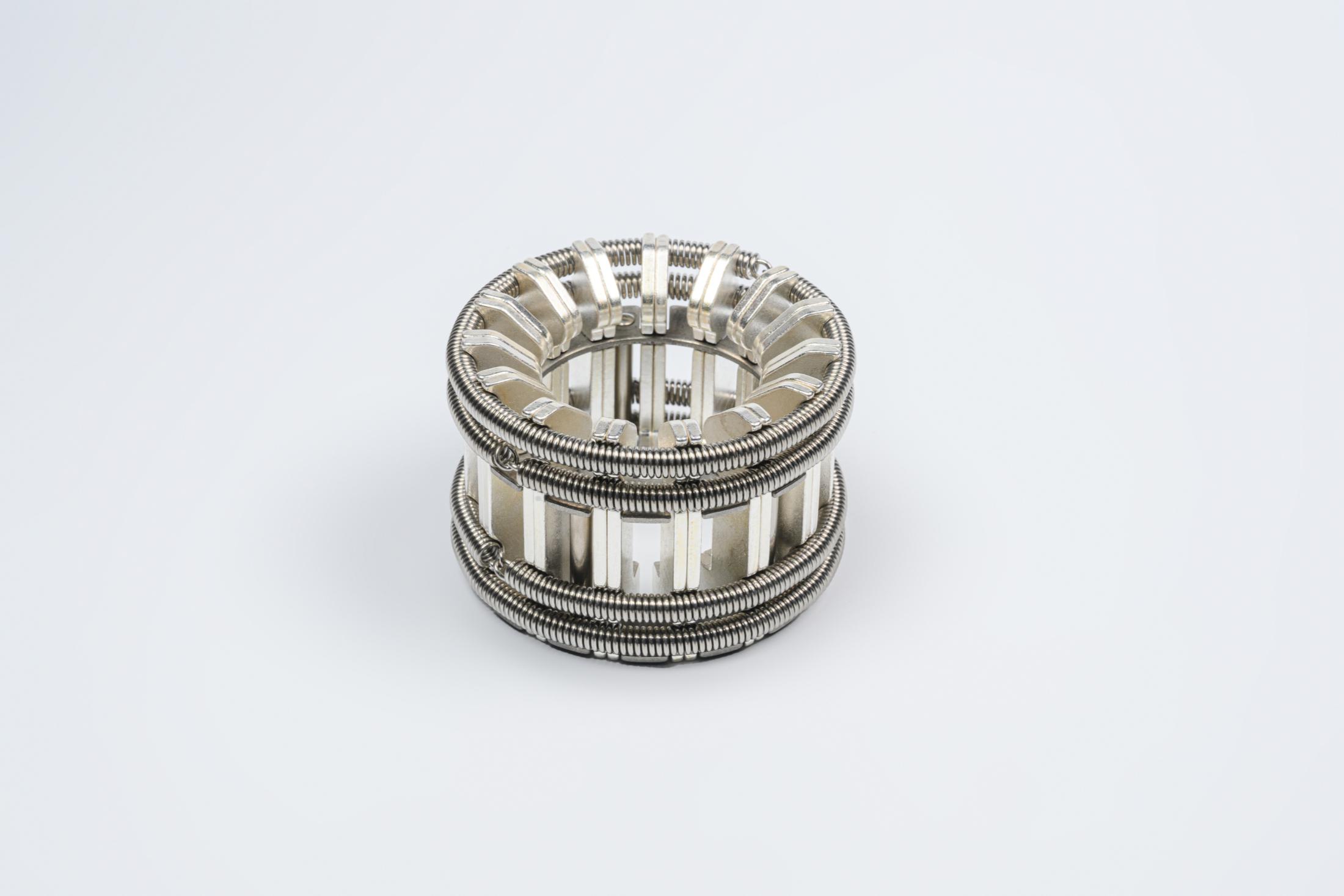
Tulip contacts are the multi-finger spring-loaded plug-in contacts used in withdrawable circuit breakers, vacuum interrupters, switching mechanisms, and any application that needs a low-resistance, repeatable plug-and-unplug connection at MV current levels. The name comes from the shape : fingers arranged radially around a central axis, opening like petals when the mating contact slides in. We supply tulip contacts at 630A, 1250A, and higher current ratings, in standard and custom designs. Most of our tulip work is for VCB withdrawable assemblies and busbar plug-in connections; some volume goes into surge arrester components and other specialized MV equipment.

630A Tulip Contact (Standard Series)

The 630A Standard Series tulip contact is the cost-optimized variant of our 630A line, designed for high-volume MV switchgear builds where price per piece m...

CuW Tulip Contact
CuW Tulip Contact

The CuW tulip contact is a plug-in tulip assembly with CuW-tipped fingers for applications where the contact sees arc exposure during insertion or break, no...

Surge Arrester Contact Assembly

The surge arrester contact assembly is a complete sub-assembly including the disconnector tulip contact, spring mechanism, housing, and supporting components...

Surge Arrester Tulip Contact

The surge arrester tulip contact is a plug-in contact component used in MV surge arrester assemblies, typically at the disconnector interface where the arre...

Tulip Contact 1250A
Tulip Contact 1250A

The 1250A tulip contact is one of the most common ratings in MV switchgear. It covers feeder breakers, transformer-tap VCBs, and bus-tie applications in dis...

Tulip Contact 630A
Tulip Contact 630A

The 630A tulip contact is the workhorse of distribution-class MV switchgear.