MV Static Contact Assembly
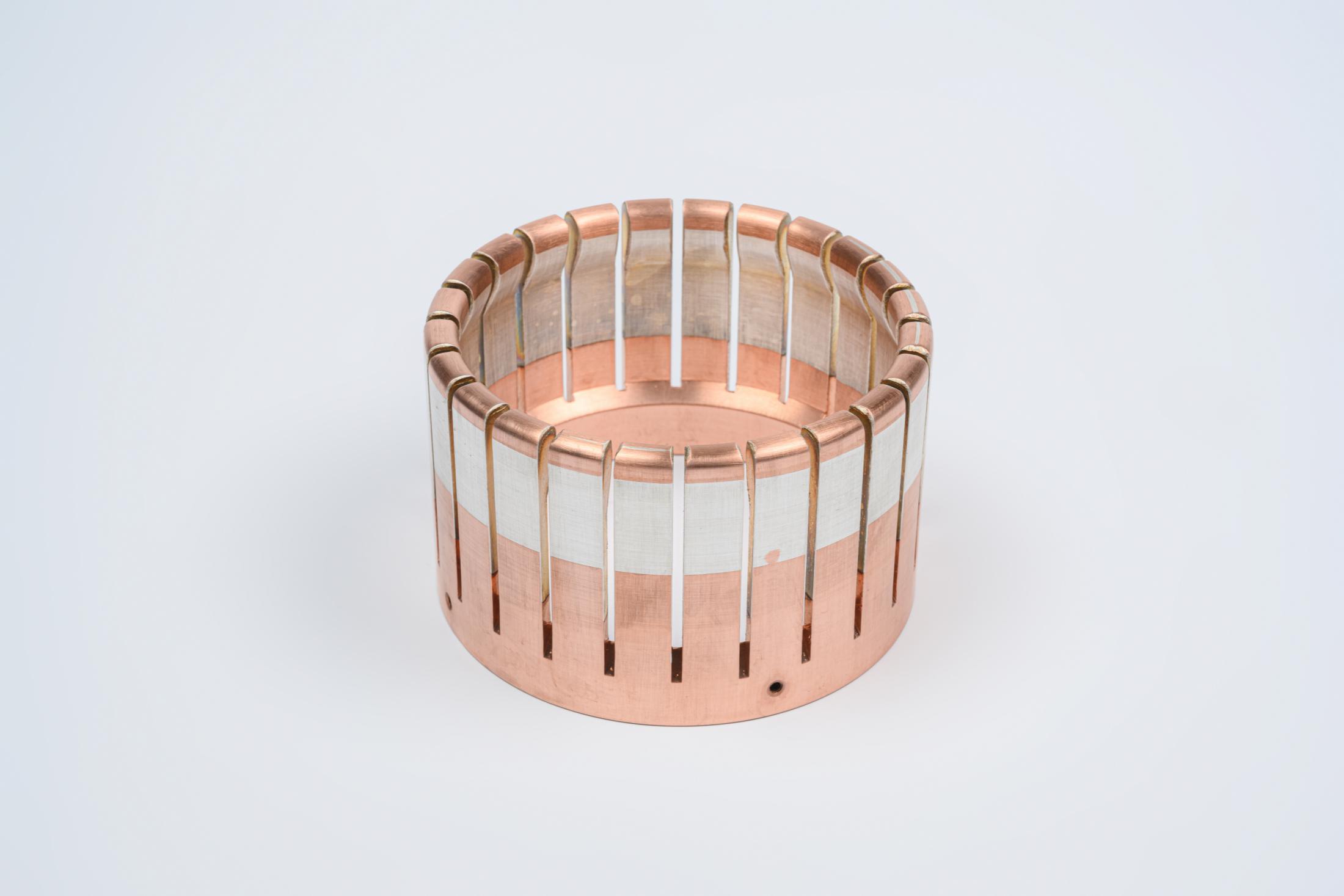
MV static contact assembly is a complete sub-assembly including the static contact element, mounting hardware, and supporting components, supplied as a sing...
This category covers contact components and contact sub-assemblies that don't fit specifically under the Copper Tungsten (arc duty), Tulip Contacts (plug-in), or Bronze Series (mechanical) categories, primarily static and moving contacts in copper or copper-alloy form, supplied as individual components or as complete contact assemblies for MV switchgear builds. For arc-duty contacts (CuW-tipped) see the Copper Tungsten Series. For plug-in contacts see Tulip Contacts. This category sits in the middle: contacts that carry continuous current and handle make-and-break duty but at lower arc severity than CuW-required applications.
MV static contact assembly is a complete sub-assembly including the static contact element, mounting hardware, and supporting components, supplied as a sing...
The moving contact is the moving-side contact element in MV breakers, contactors, and disconnector mechanisms, the part that travels under operator-driven m...
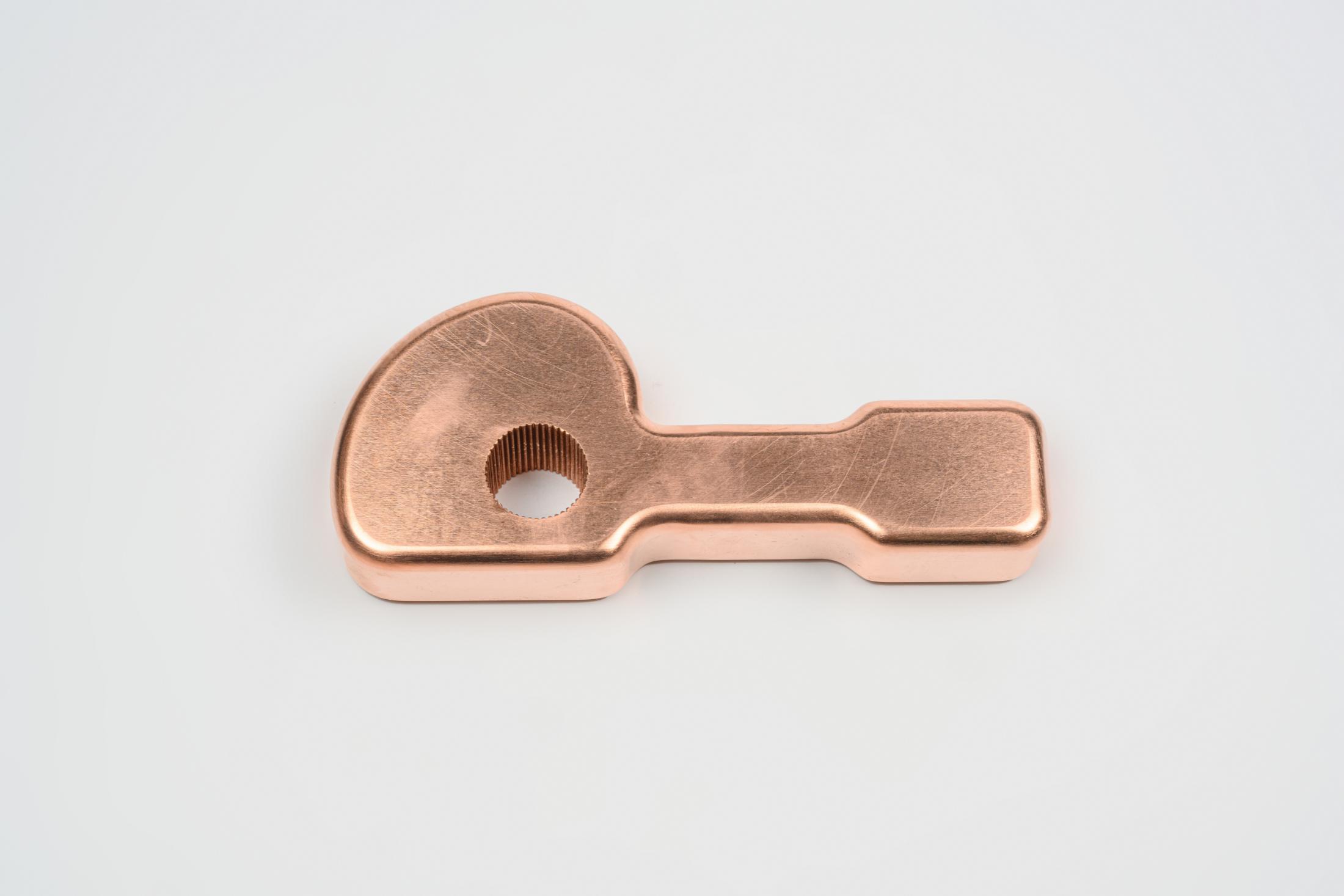
The static contact is the fixed-side contact in an MV breaker, contactor, or disconnector mechanism, the part that the moving contact mates with during closing.
Static contact rated for 630A continuous duty, the most common static contact current rating in distribution-class MV switchgear.
Most enquiries that land here start with a geometry and no material. That is the wrong way round. Switchgear contact materials are not interchangeable, and the arc duty decides before the shape does.
| Material | Arc duty | Where it belongs |
|---|---|---|
| CuW — copper tungsten | Severe, arc-exposed | Arcing contacts in SF6, oil, and air-insulated MV switchgear; arc contacts around a vacuum interrupter |
| CuCr — copper chromium | Interruption inside vacuum | The make-and-break pair sealed inside a vacuum bottle |
| AgW — silver tungsten | LV making and breaking | Contactors, motor starters, relays, air circuit breakers |
| Copper and copper alloy | Continuous current, light make-and-break | Static and moving contacts below CuW-required arc severity — this category |
Tungsten contact materials cost several times what copper does. Specifying CuW where the duty does not need it is a common and expensive habit; specifying copper where it does need CuW shows up as erosion at the first maintenance interval. CuW, CuCr or AgW works through the boundaries.
This category sits between the material-specific ranges. It covers the copper and copper-alloy contacts that carry continuous current and handle make-and-break duty at lower arc severity, supplied either as bare components or as complete sub-assemblies for 12, 24, and 40.5 kV switchgear.
Where the contact face needs arc resistance but the body does not, a brazed CuW contact element on a copper body is usually cheaper than a solid CuW part. Static vs moving arc contact explains why the two halves of a pair are often specified differently.
Both. Assemblies are supplied to your drawing with the mounting hardware and springs included, as one part number and one inspection. Say at enquiry stage which you want — the price difference is large.
Continuous current, system voltage, and short-time withstand. The last one is the figure most often left off an enquiry and it is the one that sizes the contact area.
Yes, from a sample. Send the mating part as well where one exists, and say what failed — copying a contact that eroded reproduces the material error that eroded it.