Product Details
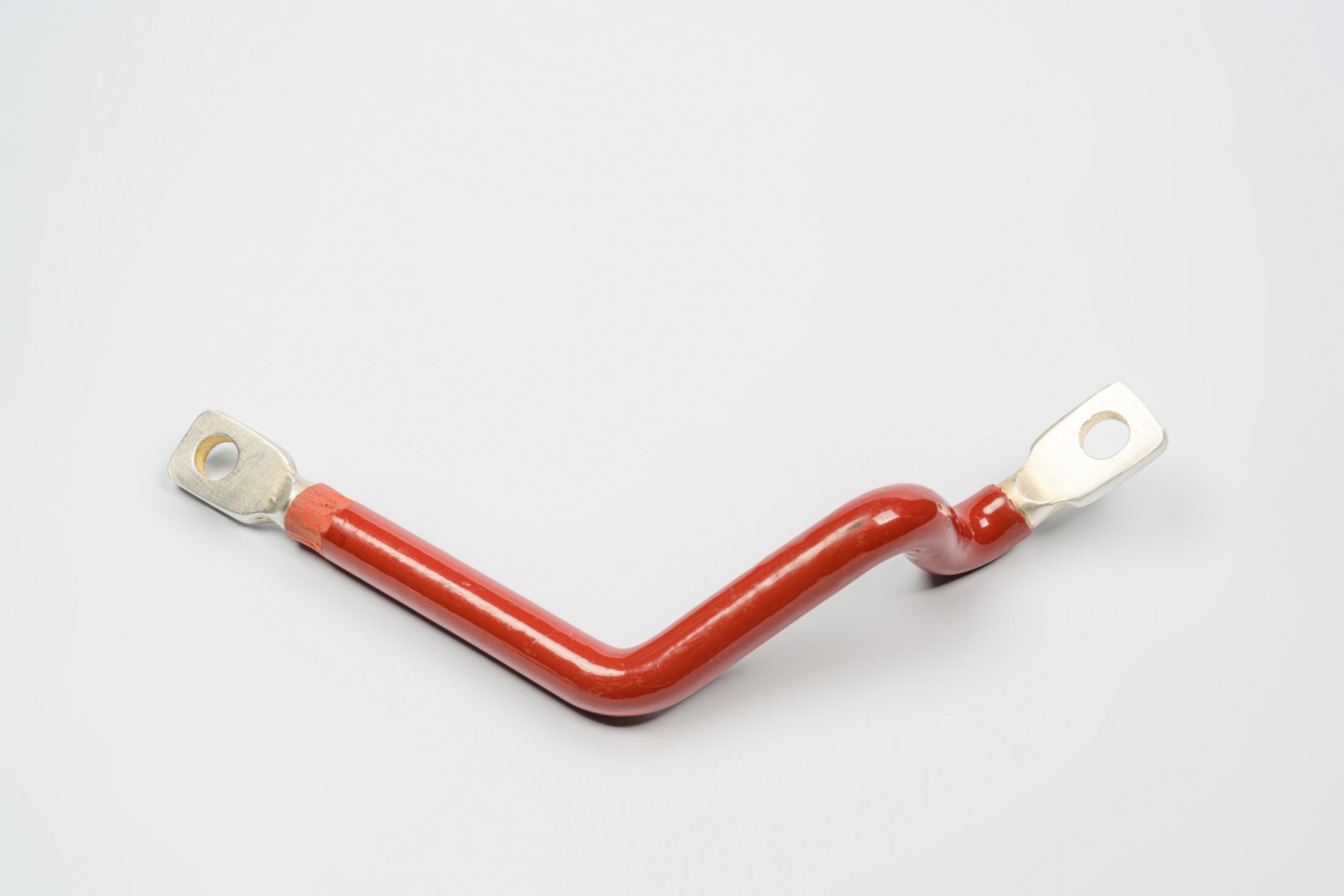
Copper Conductive Rod
Pure copper rod is the workhorse conductor in MV switchgear current paths, main bus, breaker conductor, terminal extensions, and the dozens of short copper...
Technical Description
Copper Conductive Rod
Pure copper rod is the workhorse conductor in MV switchgear current paths, main bus, breaker conductor, terminal extensions, and the dozens of short copper segments connecting major components. We supply rod in ETP copper (C11000) for general applications and OFC copper (C10100) where impurity content matters. Both deliver near-maximum conductivity; OFC matters mostly for high-frequency or specialized welding applications, less so for MV switchgear duty.
For longer or larger conductors, see Copper Conductor Element. For CuW conductor segments (arc-exposed sections), see CuW Conductive Rod.
Specifications
| Property | Value |
|---|---|
| Material | ETP copper C11000 (default); OFC copper C10100 on request |
| Form | Round bar (rod) |
| Diameter Range | Per drawing / specification |
| Length Range | Per drawing / specification |
| End Condition | Sawn (default); faced, chamfered, or plated on request |
| Tolerance | Standard machining tolerance |
| Conductivity | 100% IACS (C11000) / 101% IACS (C10100) reference |
| Density | 8.94 g/cm³ |
| Hardness (HB) | 40–90 depending on temper (annealed / half-hard / hard) |
| Surface Treatment | Bright-machined; silver, nickel, or tin plating optional |
Exact certified properties for your lot are available with material documentation on request.
Applications
- Main bus and conductor runs in 12 / 24 / 40.5 kV MV switchgear
- Conductor segments between breaker contacts and busbar joints
- Terminal extensions and cable connection points
- Replacement copper conductor stock for refurbishment programs
Technical Notes
Copper rod for MV switchgear is sized by the rated continuous current and the joint design. Larger cross-sections handle more current with less voltage drop at junctions; smaller cross-sections cost less but generate more I²R heat. For installed switchgear refurbishment, match the original conductor dimensions. The joints, supports, and thermal allowances were designed around them.
Temper affects machinability and joint behavior. Annealed copper is easiest to machine but soft; half-hard is the common compromise; hard temper resists deformation but is harder to machine. For most MV switchgear conductor applications, half-hard is the default.
Silver plating on conductor ends reduces resistance at bolted joints over decades of service. Specify plating thickness based on joint cycle expectations.
Sourcing & OEM
Standard diameters and lengths produced to order. Custom dimensions, finishes, and end conditions per drawing. Contact us with your specification for a project-specific quote.
Technical FAQ
Common questions about this product.
ETP vs OFC copper, which should I use?
For MV switchgear current paths, ETP copper C11000 is the standard choice. OFC copper C10100 has slightly higher conductivity and lower impurity content, but the difference rarely matters at MV switchgear frequencies and currents. Choose OFC only if your application specifically calls for it.
What temper do you recommend?
Half-hard for most conductor applications, easy to machine, stable in service. Annealed for parts that will be formed after machining. Hard temper for components seeing high mechanical load.
Are rods supplied with silver-plated ends?
Available on request. Default is bright-machined. Specify plating thickness in your order.
Can you cut to length?
Yes. Default end condition is sawn; faced, chamfered, or pre-plated ends on request.
What is the typical lead time?
Lead time varies by diameter, length, finish, and quantity. Contact us with your specifications.
You May Also Like
Related Products
Similar components you may need.